




Class 3 License Success: Build the Skills That Employers Want
Explore Class 3 license training in Calgary. Learn how training builds practical driving skills, meets Alberta standards, and supports commercial career readiness.

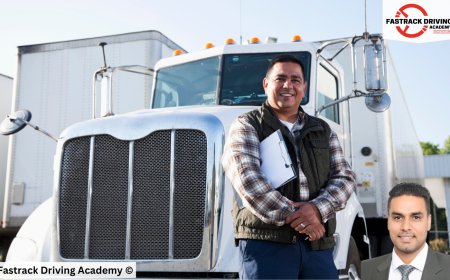
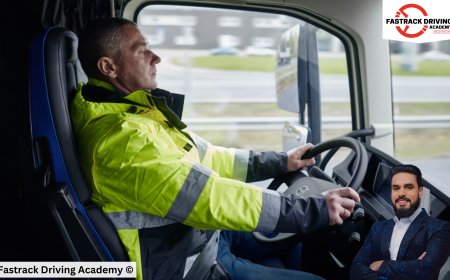
Class 3 license training is an important step for individuals pursuing careers in commercial driving and transportation. In Alberta, a Class 3 license allows drivers to operate larger vehicles such as dump trucks, delivery trucks, and certain construction vehicles. As industries like logistics, construction, and municipal services continue to grow, employers look for drivers who demonstrate technical ability, safety awareness, and regulatory knowledge.
Participating in structured Class 3 license training in Calgary helps individuals develop practical skills aligned with real-world job expectations. This article explores the benefits of Class 3 license training and outlines practical steps that support the development of competencies employers value.
Benefits of Class 3 License Training
1. Development of Industry-Relevant Driving Skills
Class 3 vehicles require a higher level of technical control compared to standard passenger vehicles. These vehicles are larger, heavier, and often operate in environments such as construction zones, highways, and urban delivery routes.

Structured Class 3 license training typically includes instruction in:
-
Proper gear shifting and speed management
-
Wide turns and space judgment
-
Load awareness and weight distribution

-
Air brake system familiarity (if applicable)
-
Defensive driving in commercial settings


According to the Government of Alberta’s commercial driver licensing guidelines (https://www.alberta.ca/commercial-driver-licences), drivers are required to demonstrate knowledge of vehicle operation, inspection procedures, and safe driving practices. Training programs are designed to reflect these provincial standards, helping learners connect theory with practical driving experience.
Employers often seek drivers who are comfortable handling large vehicles in varied road and job-site conditions. Ongoing instruction and supervised practice support steady skill development over time.
2. Understanding Safety and Compliance Expectations
Safety is central to commercial transportation. Employers prioritize drivers who understand inspection routines, regulatory compliance, and responsible vehicle operation.
Transport Canada outlines national road safety principles and commercial vehicle expectations (https://tc.canada.ca/en/road-transportation/road-safety). Class 3 training programs incorporate these safety concepts into classroom and in-vehicle sessions, covering topics such as:
-
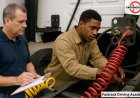
Pre-trip vehicle inspections
-
Hazard perception and defensive driving
-
Safe following distances for heavy vehicles
-
Managing blind spots and braking distances
To further explore practical safety techniques, this internal guide offers additional insight into Class 3 driving strategies:
https://blogs.fastrackdriving.ca/class-3-driving-success-essential-tips-to-drive-safely-fastrack-driving-academy-1929.
This resource complements formal training by reinforcing safety-focused habits in commercial driving environments.
3. Preparation for Alberta’s Commercial Licensing Process
Obtaining a Class 3 license in Alberta involves meeting eligibility requirements, completing knowledge-based instruction, and participating in a practical driving evaluation conducted according to provincial guidelines.
The Alberta Class 3 road test overview (https://www.alberta.ca/class-3-road-test) outlines the evaluation framework used for commercial licensing. Training programs provide structured instruction aligned with these requirements, helping learners become familiar with:
-
Vehicle inspection procedures
-
Controlled backing and maneuvering
-
Lane management with larger vehicles
-
Safe turning and braking techniques
Understanding the structure of Alberta’s licensing process allows learners to approach their training with clarity and focus.
4. Career Readiness in Transportation and Construction Sectors
A Class 3 license can create opportunities in industries such as:
-
Construction and heavy equipment transport
-
Waste management and municipal services
-
Delivery and logistics
-
Oil and gas support services
Employers often value drivers who demonstrate technical competence, punctuality, safety awareness, and knowledge of compliance standards. Completing structured Class 3 training reflects preparation for the responsibilities associated with commercial vehicle operation.
Statistics Canada continues to report demand in transportation and skilled trades sectors, indicating ongoing opportunities for commercial drivers. Employment outcomes vary depending on experience, qualifications, and market conditions, but foundational training supports overall career readiness.
5. Confidence Through Supervised Practice
Operating a commercial vehicle differs significantly from driving a passenger car. The increased size, turning radius, and braking distance require adjustment and awareness.
Class 3 license training provides supervised driving sessions where learners gradually adapt to:
-
Highway driving in larger vehicles
-
Navigating tight urban streets
-
Backing into loading zones
-
Managing vehicle height and clearance
Instructors provide feedback throughout training sessions to help refine technique and situational awareness. With repeated, guided practice, learners build familiarity with commercial vehicle handling in professional settings.
Practical Steps to Develop Class 3 Skills Employers Value
Step 1: Review Alberta’s Class 3 Licensing Requirements
Begin by reviewing the official Government of Alberta commercial licensing information (https://www.alberta.ca/commercial-driver-licences). Understanding eligibility criteria, documentation requirements, and evaluation procedures helps align your training with provincial standards.
Step 2: Enroll in a Structured Class 3 Training Program
Look for a recognized driving academy that provides:
-
Classroom-based theoretical instruction
-
In-vehicle commercial driving sessions
-
Pre-trip inspection training
-
Regulatory compliance education
A structured curriculum ensures learners receive comprehensive training that addresses both operational skills and safety responsibilities.
Step 3: Practice Pre-Trip Inspection Procedures
Pre-trip inspections are an essential responsibility for commercial drivers. Employers expect drivers to conduct thorough vehicle checks before operation.
Training typically includes instruction on:
-
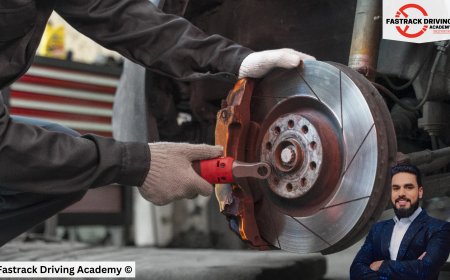
Brake system inspection
-
Tire and suspension checks
-
Light and signal functionality
-
Fluid level verification
Regular practice during training sessions supports the development of consistent inspection routines.
Step 4: Strengthen Backing and Maneuvering Skills
Backing and maneuvering larger vehicles require spatial awareness and controlled steering input. During training, learners focus on:
-
Straight-line backing
-
Alley docking techniques
-
Mirror usage and blind spot monitoring
-
Gradual, controlled adjustments
These techniques are frequently included in Alberta’s commercial driving evaluation framework and are relevant to everyday job tasks.
Step 5: Develop Defensive Driving Habits
Commercial vehicles require greater stopping distances and proactive hazard awareness. Defensive driving instruction commonly covers:
-
Maintaining appropriate buffer zones
-
Anticipating traffic flow changes
-
Monitoring road conditions
-
Adjusting speed based on load and environment
Revisiting the internal Class 3 driving success guide mentioned earlier can reinforce these principles alongside formal training.
Step 6: Stay Informed About Regulatory Updates
Transportation regulations and safety standards can evolve. Monitoring updates from Transport Canada and Alberta transportation authorities helps drivers stay informed about current expectations.
Employers often appreciate drivers who demonstrate awareness of compliance requirements and professional standards.
Class 3 license training in Calgary plays a meaningful role in preparing individuals for commercial driving roles. Through structured instruction, safety education, and supervised vehicle practice, training programs help learners develop technical abilities aligned with employer expectations in transportation, construction, and logistics sectors.
If you’re exploring commercial driving opportunities, reviewing additional educational resources can help you better understand available training formats, course structures, and scheduling options in Calgary. Sharing this guide with others considering Class 3 training may also support informed decision-making about career pathways in commercial transportation.
What's Your Reaction?