





The Professional Driver’s Gateway: Class 5 Licensing Guide
Explore Alberta’s Class 5 licensing guide. Learn its significance, key steps, and how structured training supports safe, responsible driving development.

The Class 5 licensing guide plays an important role for new drivers in Alberta who are preparing for independent vehicle operation. Whether you are a first-time driver or someone returning to driving after time away, understanding the Class 5 process helps you approach training with clarity.
In today’s environment, holding a Class 5 license supports mobility, employment access, and daily convenience. This guide explores the significance of Class 5 licensing, how structured training supports skill development, and the practical steps learners can take to prepare responsibly.
Significance of Class 5 Licensing
1. Structured Progression Toward Independent Driving
Alberta’s Graduated Driver Licensing (GDL) framework is designed to introduce driving responsibilities gradually. According to the Government of Alberta Graduated Driver Licensing program (https://www.alberta.ca/graduated-driver-licensing), the system allows new drivers to build experience under defined conditions before transitioning to full driving privileges.


The Class 5 licensing pathway supports progressive learning. Through classroom instruction, supervised practice, and practical evaluation, drivers receive training that reflects provincial safety and operational standards.
This structured progression encourages learners to develop awareness, judgment, and vehicle control in varied road conditions.
2. Emphasis on Road Safety and Defensive Awareness
Safety awareness is central to the Class 5 framework. Drivers are expected to understand traffic laws, signage, hazard recognition, and responsible vehicle handling.
The Traffic Injury Research Foundation (TIRF) highlights the value of graduated licensing systems in strengthening road safety practices among new drivers. These systems promote ongoing learning and supervised experience before independent driving.


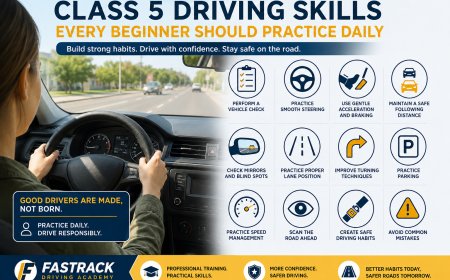
For learners beginning their journey, following a preparation plan can provide direction. This comprehensive Class 5 driving checklist for beginners offers structured guidance that complements formal training and supports organized practice sessions.
3. Access to Employment and Daily Mobility
A Class 5 license can broaden access to employment opportunities, particularly in communities where transportation alternatives may be limited. Many roles require a valid driver’s license for commuting or work-related travel.
Beyond employment, a Class 5 license supports daily activities such as attending school, running errands, and participating in community life. The licensing process reflects a level of responsibility and commitment to meeting regulated standards. By completing structured training, drivers demonstrate readiness to handle personal transportation responsibilities responsibly.
4. Development of Core Driving Competencies
The Class 5 licensing process encourages development of essential driving competencies, including:
-
Safe lane changes
-
Proper intersection management
-
Controlled braking and acceleration
-
Mirror and shoulder checks
-
Awareness of pedestrians and cyclists
Transport Canada’s National Road Safety Strategy outlines national efforts to promote safer roads across Canada. Provincial licensing systems align with these broader safety objectives, reinforcing defensive driving principles during training.
Through consistent instruction and supervised practice, learners strengthen foundational habits that support long-term road awareness.
5. Foundation for Future Licensing Pathways
For individuals considering advanced license classes in the future, Class 5 licensing serves as a starting point. Many higher vehicle classifications build upon the knowledge and experience developed at the Class 5 level. Establishing strong fundamentals through professional training supports future learning opportunities without rushing the process.
Practical Steps to Navigate the Class 5 Licensing Process
Step 1: Review Official Alberta Requirements
Begin by reviewing Alberta’s licensing requirements through the Government of Alberta website. Understanding eligibility criteria, documentation needs, and evaluation procedures helps you plan your preparation effectively. Familiarity with official guidelines ensures your training aligns with provincial expectations.
Step 2: Study the Alberta Driver’s Guide
The Alberta Driver’s Guide provides essential information about traffic laws, road signs, and safe driving practices. Set aside regular study time and focus on understanding why rules exist—not only what they state.
Pay close attention to:
-
Right-of-way rules
-
Speed regulations
-
School and playground zones
-
Emergency vehicle procedures
-
Demerit point system
A deeper understanding of these topics supports informed decision-making behind the wheel.
Step 3: Participate in Structured Driving Training
Enrolling in a recognized driving school provides organized instruction that includes:
-
Classroom-based theoretical education
-
In-vehicle practical training sessions
-
Defensive driving techniques
-
Feedback from certified instructors
A structured program helps learners focus on skill development rather than informal practice alone.
To further organize your preparation, consider reviewing this guide on how to master Class 5 driving efficiently, which outlines ways to structure practice sessions and reinforce essential techniques alongside professional training.
Step 4: Practice in Varied Driving Conditions
Supervised practice should include exposure to different environments, such as:
-
Residential neighborhoods
-
Urban traffic areas
-
Highways
-
Night driving
-
Changing weather conditions
Gradual exposure helps drivers adapt to new scenarios while refining vehicle control and awareness.
Step 5: Focus on Defensive Driving Techniques
Defensive driving involves anticipating potential hazards and responding appropriately. During training, emphasize:
-
Maintaining safe following distances
-
Scanning intersections before proceeding
-
Monitoring blind spots
-
Adjusting speed based on traffic flow and road conditions
These techniques are reinforced during professional instruction and align with national road safety principles.
Step 6: Prepare Thoughtfully for Your Road Evaluation
When you feel comfortable performing required maneuvers consistently under supervision, you can schedule your road evaluation.
Rather than approaching the process with pressure, focus on demonstrating the techniques and habits you developed during training sessions. Preparation and consistent practice contribute to a smoother experience.
The Class 5 licensing guide represents an important step toward independent driving in Alberta. Through structured instruction, supervised vehicle practice, and familiarity with provincial standards, learners gradually develop the skills and awareness needed for responsible road use. By reviewing official guidelines, participating in professional training, and using structured preparation resources, drivers can approach the licensing process with clarity and readiness.
If you’re preparing for your Class 5 journey, explore this detailed guide on how to master Class 5 driving efficiently to continue building your knowledge. You can also browse our related driving resources or share this article with someone beginning their licensing process.
What's Your Reaction?