









Start Strong, Drive Far: Class 1 Learning Pathway & Truck Driver Training Explained
Explore the Class 1 training journey in Alberta. Learn the benefits, career pathways, and practical steps to begin your professional trucking career.
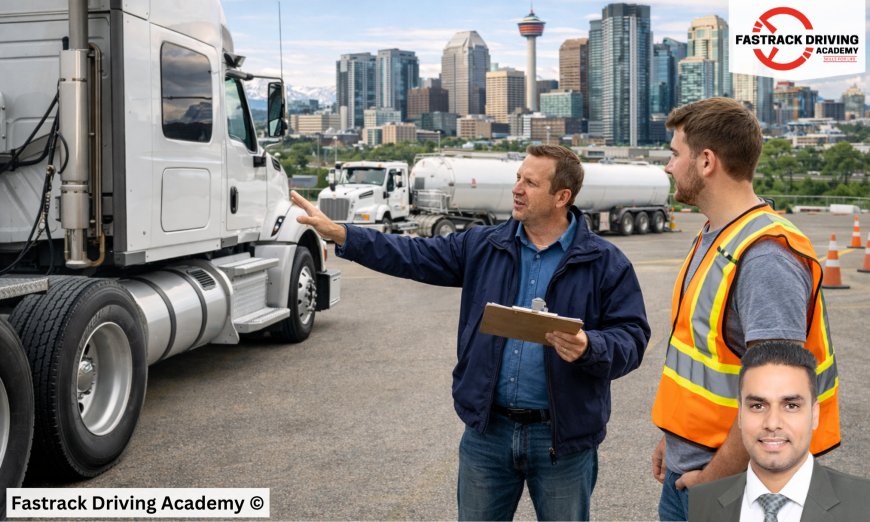
The Class 1 learning pathway represents the starting point for individuals pursuing a professional career in commercial trucking. In Alberta and across Canada, Class 1 licensing provides structured training that prepares drivers to operate tractor-trailers and combination vehicles under regulated safety standards.
With freight transportation playing a critical role in Canada’s economy, properly trained commercial drivers remain essential. Understanding the structure and significance of the Class 1 learning pathway helps aspiring drivers approach their journey with preparation, awareness, and clarity about provincial requirements.
Significance of the Class 1 Learning Pathway
1. Professional Foundation for Commercial Vehicle Operation
Operating a tractor-trailer requires advanced vehicle control, spatial awareness, and regulatory knowledge. These vehicles differ significantly from passenger vehicles in size, braking systems, and maneuvering techniques.


According to Transport Canada’s Road Safety framework , commercial vehicle safety is a national priority due to the operational demands of heavy trucks. Alberta’s Class 1 learning pathway aligns with these safety principles by incorporating classroom instruction, yard practice, and supervised highway driving sessions.
Through structured training, learners are introduced to vehicle systems, defensive driving techniques, and professional operating standards.
2. Alignment with Alberta’s Class 1 Licensing Requirements
In Alberta, individuals pursuing a Class 1 license must complete provincially regulated entry-level instruction before scheduling their road evaluation. The Government of Alberta’s Class 1 driver licensing overview (https://www.alberta.ca/class-1-drivers-licence) outlines curriculum components such as:
-
Air brake systems

-
Trip planning and route management
-
Hours-of-service regulations
-
Coupling and uncoupling procedures
-
Defensive driving strategies


The Class 1 learning pathway provides structured instruction that reflects these provincial requirements. Rather than informal practice alone, participants receive organized training designed to meet regulatory expectations.
For additional preparation insight, this guide on Class 1 training strategies for long-haul drivers offers complementary techniques that align with professional instruction.
3. Preparation for Industry and Compliance Expectations
Commercial trucking involves responsibilities beyond vehicle operation. Drivers are expected to understand inspection procedures, documentation requirements, cargo securement, and compliance standards.
The Canadian Council of Motor Transport Administrators (CCMTA) works to harmonize transportation safety practices across provinces. The Class 1 learning pathway incorporates instruction that reflects national compliance standards, including:
-
Electronic logbook management
-
Load distribution principles
-
Pre-trip and post-trip inspections
-
Communication and reporting protocols
Exposure to these topics during training supports familiarity with the operational expectations of professional trucking environments.
4. Career Pathways Across Canada
A Class 1 license can open access to opportunities in areas such as:
-
Long-haul freight transportation
-
Regional and local distribution
-
Cross-border shipping
-
Specialized hauling (refrigerated, tanker, flatbed)
Statistics Canada continues to highlight the importance of the transportation and warehousing sector within Canada’s economy. While employment outcomes depend on experience and market conditions, completing the Class 1 learning pathway supports readiness for entry-level commercial driving roles.
The pathway represents an important milestone in pursuing regulated commercial vehicle responsibilities.
5. Development of Technical and Defensive Driving Skills
The Class 1 learning pathway focuses on building technical proficiency and defensive awareness. During supervised sessions, learners typically practice:
-
Manual gear shifting techniques
-
Controlled lane positioning
-
Wide-turn navigation
-
Backing into loading docks
-
Air brake inspection procedures
Transport Canada’s safety recommendations emphasize hazard anticipation and responsible operation of heavy vehicles. Structured training integrates these principles into classroom and practical instruction. Through repeated practice and instructor feedback, trainees gradually strengthen their understanding of commercial vehicle handling.
Practical Steps to Begin Your Class 1 Journey
Step 1: Review Alberta’s Licensing Requirements
Start by reviewing Alberta’s official Class 1 licensing information. Understanding eligibility criteria, medical assessments, and documentation requirements allows you to prepare in an informed manner.
Staying familiar with provincial standards ensures your training aligns with regulatory expectations.
Step 2: Enroll in a Structured Class 1 Learning Pathway
Choose a licensed driving school that delivers Alberta’s Class 1 learning pathway curriculum. A structured program typically includes:
-
Classroom-based theoretical instruction
-
Air brake endorsement training
-
Yard maneuver practice
-
Supervised on-road highway sessions
-
Regulatory compliance education
Participating in an approved learning pathway ensures your instruction reflects Alberta’s standardized training framework.
Step 3: Strengthen Pre-Trip Inspection Habits
Pre-trip inspections are a routine responsibility for commercial drivers. Training sessions provide instruction on systematic checks such as:
-
Brake system evaluations
-
Tire condition assessments
-
Coupling device security
-
Light and signal verification
-
Fluid level monitoring
Developing consistent inspection routines during training supports operational awareness and compliance with safety standards.
Step 4: Practice Coupling and Controlled Maneuvers
Controlled yard maneuvers are an important component of Class 1 instruction. Under supervision, learners practice:
-
Coupling and uncoupling trailers
-
Straight-line backing
-
Offset backing
-
Alley docking
Structured repetition in controlled environments helps build spatial awareness and steering precision.
Step 5: Learn Hours-of-Service and Regulatory Standards
Commercial drivers must follow hours-of-service regulations designed to promote road safety and manage fatigue. The Canadian Council of Motor Transport Administrators (CCMTA) provides national guidance that influences provincial policies.
The Class 1 learning pathway introduces learners to electronic logging systems, rest requirements, and trip planning considerations. Understanding these compliance elements forms part of professional trucking preparation.
Step 6: Explore Career-Focused Learning Resources
As you move forward, reviewing additional industry-focused materials can provide helpful perspective. This guide on why Class 1 learning pathway training supports trucking careers explains how structured training connects with long-term professional development.
Exploring career-focused resources helps aspiring drivers better understand specialization options and employer expectations in the trucking sector.
The Class 1 learning pathway provides structured instruction for individuals pursuing professional commercial driving in Alberta. Through classroom education, yard practice, and supervised highway driving, learners receive regulated training aligned with provincial and national safety standards.
From air brake systems to defensive driving techniques, the pathway supports technical skill development and regulatory awareness. By reviewing official guidelines, enrolling in a licensed program, and practicing consistently, individuals can approach their commercial licensing process with preparation and clarity.
If you’re considering a future in trucking, explore our detailed resource on why Class 1 learning pathway training supports trucking careers to continue building your understanding of the industry. You can also browse related articles or connect with a certified training provider to learn more about available Class 1 programs in Alberta.
What's Your Reaction?