









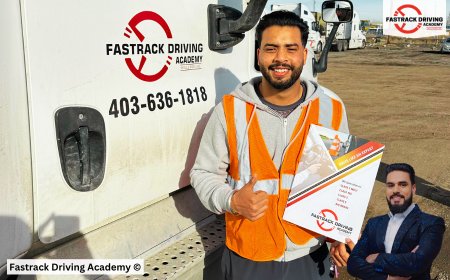
Heavy-Duty Success: The Complete Class 1 Learning Pathway Training Guide
Discover the benefits of Class 1 professional training, career opportunities, and step-by-step guidance for heavy-duty driving success.

Class 1 professional training plays an essential role in preparing individuals for careers in commercial transportation. As Canada’s logistics and freight industries continue to expand, the need for properly trained heavy-duty vehicle operators remains strong. “Heavy-Duty Success: The Class 1 Professional Training Guide” explores how structured instruction helps learners develop technical ability, safety awareness, and industry knowledge.
From yard practice to highway driving sessions, Class 1 training provides practical experience under instructor supervision. For individuals interested in commercial trucking, understanding the structure and benefits of professional training is an important first step toward long-term career development.
Benefits of Class 1 Professional Training
1. Structured Development of Heavy-Duty Driving Skills
Operating a tractor-trailer requires coordination, attention, and technical knowledge. Class 1 professional training provides step-by-step instruction that introduces learners to essential skills such as shifting, controlled braking, backing maneuvers, and coupling procedures.

Programs structured under a learning pathway model gradually build competency. Fastrack Driving Academy outlines this structured approach in detail through its comprehensive program framework. For an in-depth explanation of how the pathway supports learners, explore:
Inside Look: How the Class 1 Learning Pathway Transforms Beginners into Skilled Drivers
https://blogs.fastrackdriving.ca/inside-look-how-the-class-1-learning-pathway-transforms-beginners-into-skilled-drivers-fastrack-driving-academy
This phased approach allows learners to progress from foundational knowledge to advanced road training in a systematic manner.
2. Emphasis on Safety and Regulatory Knowledge
Safety standards are central to commercial transportation. Class 1 training programs align their curriculum with national and provincial transportation guidelines to ensure learners understand their responsibilities on public roads.


According to Transport Canada, commercial vehicle operators must comply with strict safety and inspection regulations. Professional training introduces learners to pre-trip inspections, logbook procedures, and air brake systems. Provincial requirements, such as those outlined by Alberta Transportation, also define licensing and training expectations. Structured instruction helps learners become familiar with these regulations, supporting responsible driving practices.
3. Broader Career Opportunities in Transportation
The trucking and logistics industry remains an important part of Canada’s economy. Labor market data published by the Government of Canada indicates ongoing demand in transportation and warehousing sectors.
Class 1 professional training prepares individuals for roles such as:
-
Long-haul freight transport
-
Regional delivery operations
-
Specialized hauling
-
Tanker and flatbed operations
By completing structured training, learners position themselves to explore various commercial driving opportunities within the industry.
4. Progressive Learning Pathway for Skill Building
One of the key advantages of professional instruction is its progressive design. Instead of overwhelming learners with complex tasks at once, programs introduce skills in stages—starting with classroom theory and yard training before advancing to highway environments.
For further insight into this structured framework, you can read:
Unlocking Success with the Class 1 Learning Pathway – Fastrack Driving Academy
https://blogs.fastrackdriving.ca/unlocking-success-with-the-class-1-learning-pathway-fastrack-driving-academy . This layered approach supports steady skill development and helps learners gain experience in different driving conditions.
5. Professional Conduct and Industry Readiness
Commercial drivers represent their employers and interact with clients, dispatch teams, and inspection officers. Professional training emphasizes not only driving technique but also workplace professionalism, time management, and trip planning.
Industry organizations such as the Canadian Trucking Alliance highlight the importance of maintaining professional standards within the trucking sector. Training programs incorporate these expectations to help learners understand industry responsibilities beyond vehicle operation.
Practical Steps to Begin Class 1 Professional Training
Step 1: Review Licensing Requirements
Before enrolling in a Class 1 program, review provincial eligibility requirements. This may include holding a valid Class 5 license, meeting medical standards, and completing mandatory entry-level training. Consult official provincial transportation resources to ensure you meet all criteria before starting your program.
Step 2: Select a Structured Training Program
Choose a driving academy that provides a balanced mix of classroom instruction, yard practice, and supervised road sessions. A well-designed program should include:
-
Air brake training
-
Pre-trip inspection guidance
-
Yard maneuver development
-
Highway driving experience
Structured programs provide a consistent learning environment supported by qualified instructors.
Step 3: Participate Actively in Training Sessions
Regular attendance and active participation are important during professional training. Make the most of instructor feedback and focus on refining core skills such as:
-
Mirror checks and blind spot awareness
-
Smooth acceleration and braking
-
Defensive driving techniques
-
Proper lane positioning
Consistent engagement helps learners gradually improve coordination and road awareness.
Step 4: Develop Daily Safety Habits
Professional training emphasizes routine safety practices. This includes completing pre-trip inspections, understanding weight distribution, and maintaining awareness of surrounding traffic conditions.
Reviewing guidelines from Transport Canada can reinforce the importance of compliance and responsible operation. Building strong safety habits during training supports long-term professional growth.
Step 5: Explore Career Pathways
As training progresses, begin researching employment opportunities within the transportation sector. Prepare a resume that outlines:
-
Completion of Class 1 professional training
-
Air brake certification
-
Practical driving hours
-
Safety and regulatory knowledge
Networking with industry professionals and reviewing job postings can help you transition into commercial driving roles.
Class 1 professional training provides structured instruction, safety education, and practical experience for individuals pursuing careers in heavy-duty transportation. Through progressive learning pathways and alignment with national safety standards, learners gain valuable industry knowledge and hands-on skills. To better understand how a structured program supports commercial driver development, explore: Unlocking Success with the Class 1 Learning Pathway – Fastrack Driving Academy https://blogs.fastrackdriving.ca/unlocking-success-with-the-class-1-learning-pathway-fastrack-driving-academy.
If you are considering a career in commercial transportation, connect with Fastrack Driving Academy to learn more about their Class 1 training programs and available enrollment options.
What's Your Reaction?