












Become a Safer Driver with Class 5 Defensive Training
Learn how Class 5 training transforms new drivers into skilled defensive drivers. Discover key benefits, expert tips, and practical steps for safer roads.

In today's fast-paced world, road safety is more important than ever. With increasing traffic, distracted drivers, and unpredictable conditions, being simply a “licensed” driver isn’t enough—you need to be a defensive driver. That’s where Class 5 training steps in.
Whether you're a new driver or brushing up your skills, learning to anticipate risks and react wisely can make all the difference. Class 5 driver training doesn’t just teach you to drive—it equips you with lifesaving defensive driving techniques that ensure your safety and the safety of others.
Significance of Class 5 Training in Defensive Driving


1. Builds Hazard Perception and Risk Anticipation
One of the most vital aspects of defensive driving is the ability to recognize potential hazards before they become real threats. Through Class 5 driver training, students learn how to scan their environment effectively, anticipate dangerous situations, and make timely decisions.
From identifying reckless drivers to adjusting for road conditions, this awareness is critical in preventing accidents. According to KidsHealth's teen driving guide, many accidents involving young drivers result from a lack of experience in recognizing danger signs on the road.
Class 5 programs simulate real-life scenarios, helping learners develop proactive driving habits from day one.
2. Promotes Defensive Mindset Over Aggressive Driving
A major focus of Class 5 training is shifting the mindset from "reactive" to "defensive." Many new drivers, especially teens, fall into the trap of aggressive or overconfident driving.


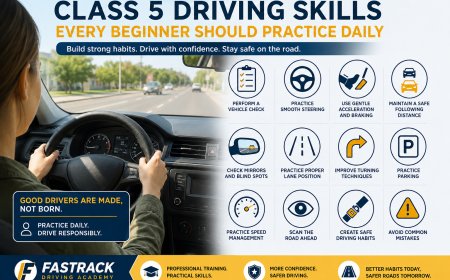
This training teaches techniques like maintaining safe following distances, staying out of blind spots, and managing speed according to conditions—not just speed limits.
It’s not just about following rules; it's about making smart, calculated choices on the road. In our related post on 5 things you didn’t know about Class 5 driving training, we delve deeper into how mindset impacts driving performance.
3. Enhances Reaction Time and Emergency Response
Defensive drivers don't panic in emergencies—they respond. Through Class 5 training, learners are taught how to remain calm and take immediate, effective action when sudden situations occur—like swerving vehicles, unexpected stops, or pedestrians crossing.
Instructors simulate common emergencies and coach students on how to respond in real-time. These lessons are crucial because, as studies show, split-second decisions often determine accident outcomes.
Learning how to apply brakes correctly, how to steer out of a skid, or how to avoid a collision can turn a potential disaster into a close call.
4. Encourages Continuous Self-Evaluation and Focus
Class 5 training doesn’t end when you pass your road test—it instills a habit of self-monitoring. You become aware of your blind spots (literally and metaphorically), avoid distractions, and constantly adjust your driving according to your surroundings.
This aligns perfectly with expert opinions from Driving-School.com’s article on why everyone should take a defensive driving class. They emphasize that ongoing self-awareness is key to driving defensively and staying accident-free.
By developing this mindset during training, drivers are more likely to maintain high safety standards throughout their driving careers.
Step-by-Step Guide to Becoming a Defensive Driver Through Class 5 Training
Step 1: Choose a Certified Class 5 Driving School
Start with an accredited training provider that offers structured Class 5 courses with a focus on defensive techniques. Look for programs that combine classroom learning with practical driving hours.
Step 2: Understand the Defensive Driving Fundamentals
These include:
-
Keeping a safe following distance
-
Scanning and checking mirrors frequently
-
Anticipating the actions of other drivers
-
Staying calm and avoiding road rage.
- Your instructor will walk you through these habits with demonstrations and drills.
Step 3: Learn and Practice Emergency Maneuvers
Training schools simulate emergencies to help you practice responses such as:
-
Sudden braking
-
Evasive steering
-
Handling skids or hydroplaning
- This practice reduces panic and improves response time in real-world scenarios.
Step 4: Monitor and Eliminate Distractions
Modern training emphasizes focused, distraction-free driving. You'll learn to manage in-car distractions (phones, passengers, music) and prioritize driving as your only task.
Step 5: Develop a Long-Term Safety Plan
Defensive driving isn’t a one-time lesson. Create a personal safety checklist:
-
Check tires and mirrors regularly
-
Never drive when tired or emotionally agitated
-
Revisit refresher courses every few years
For more tips on long-term habits and strategies, explore the article on common mistakes drivers make in Class 5 training and how to avoid them.
Class 5 training is more than a license—it’s your first step toward becoming a responsible, defensive driver. From better hazard awareness to enhanced reaction times, the benefits are clear. Not only does it reduce your risk of accidents, but it also makes the roads safer for everyone.
Understanding and avoiding common driving pitfalls can make you a better driver—and this blog on mistakes in Class 5 training is the perfect next read.
Ready to take the wheel with confidence? Sign up for Class 5 training at Fastrack Driving Academy today and drive your future forward—safely.
What's Your Reaction?