









The Importance of Defensive Driving During Class 5 Training
Learn why defensive driving is important during Class 5 training and how safe driving habits help new drivers improve road awareness in Alberta.

Learning how to drive safely is one of the most important parts of becoming a responsible driver. During Class 5 training, students not only learn vehicle control and traffic rules but also develop awareness skills that help them respond safely to real-world road situations. This is why understanding the importance of defensive driving during Class 5 training is essential for new drivers in Alberta.
Defensive driving focuses on staying alert, anticipating potential hazards, maintaining safe distances, and making careful decisions while driving. As traffic volumes continue increasing and road conditions change throughout the year, defensive driving techniques help students build safer driving habits and stronger awareness behind the wheel.
Significance of Defensive Driving During Class 5 Training
Defensive driving is an important part of driver education because it teaches students how to recognize risks, respond calmly to unexpected situations, and maintain better control of their vehicles.


Defensive Driving Encourages Better Road Awareness
One of the most important benefits of defensive driving is improved road awareness. New drivers often focus mainly on operating the vehicle, but defensive driving teaches students to observe everything happening around them.
This includes:
-
Monitoring surrounding traffic
-
Checking mirrors frequently

-
Watching for pedestrians and cyclists
-
Anticipating sudden stops
-
Observing traffic signs and signals


According to the Government of Alberta Driver Safety Resources, understanding road awareness and safe driving practices is an important part of driver education and road safety in Alberta.
Developing strong observation habits during Class 5 training can help students become more attentive and responsible drivers over time.
Defensive Driving Helps Students Handle Unexpected Situations
Road conditions can change quickly due to weather, traffic congestion, or the actions of other drivers. Defensive driving teaches students how to stay calm and make safer decisions in changing situations.
Students may learn how to:
-
Respond to sudden braking
-
Adjust driving during poor weather
-
Maintain safe following distances
-
Avoid distractions
-
React carefully in busy intersections
These skills are important because unexpected situations can happen at any time, especially in urban traffic environments.
At Fastrack Driving Academy, students receive Class 5 driver training that focuses on road awareness, vehicle control, and practical driving techniques designed for Alberta roads.
Safe Following Distances Reduce Driving Risks
Many new drivers underestimate the importance of maintaining proper space between vehicles. Defensive driving teaches students how safe following distances provide additional reaction time during traffic changes.
Safe spacing can help drivers:
-
Respond more smoothly to traffic flow
-
Reduce sudden braking
-
Improve visibility ahead
-
Maintain better control during poor weather
Learning proper spacing habits during training supports safer driving behavior in both city and highway environments.
Defensive Driving Supports Better Decision-Making
Driving requires constant decision-making. Students must judge traffic speed, road conditions, lane positioning, and the behavior of other drivers.
Defensive driving encourages students to:
-
Stay patient during traffic delays
-
Avoid aggressive driving behavior
-
Plan lane changes carefully
-
Observe traffic patterns early
The Transport Canada Road Safety Information highlights the importance of responsible driving behavior and road safety awareness across Canada.
Developing calm and thoughtful driving habits during Class 5 training can help students manage traffic situations more responsibly.
Defensive Driving Builds Long-Term Safe Habits
The driving habits students develop early often continue throughout their driving experience. Defensive driving training encourages safer routines that may help drivers become more aware and cautious over time.
These habits include:
-
Regular mirror checks
-
Avoiding distractions
-
Monitoring blind spots
-
Adjusting speed for weather conditions
-
Staying focused during long drives
Building these habits during training supports safer driving practices in everyday situations.
For students preparing for road training, the Class 5 Driver Training Programs at Fastrack Driving Academy provide practical instruction focused on safe driving awareness and responsible vehicle operation.
Essential Defensive Driving Skills Students Should Learn
Defensive driving includes several important techniques that help students improve awareness, safety, and decision-making while driving.
Observation and Mirror Checks
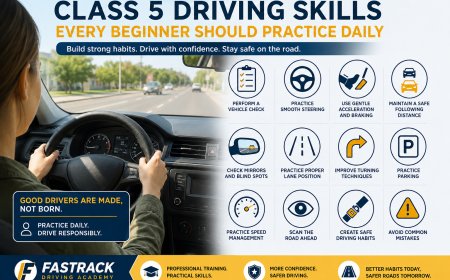
Drivers should constantly observe surrounding traffic and check mirrors regularly. Proper observation habits help students stay aware of nearby vehicles, cyclists, and pedestrians.
Students should practice:
-
Scanning mirrors frequently
-
Checking blind spots before lane changes
-
Watching traffic ahead carefully
-
Monitoring side streets and intersections
Good observation habits support safer driving decisions.
Speed Management
Driving at appropriate speeds is an important defensive driving skill. Students should learn how weather conditions, traffic flow, and road environments affect safe speed choices.
Speed management includes:
-
Following posted speed limits
-
Reducing speed during rain or snow
-
Adjusting speed near schools or construction zones
-
Maintaining control during turns
Proper speed control improves reaction time and vehicle stability.
Space Management
Defensive drivers maintain enough space around their vehicles to react safely to sudden traffic changes.
Students should practice:
-
Keeping safe following distances
-
Avoiding tailgating
-
Leaving room during lane changes
-
Maintaining visibility around larger vehicles
Space management helps reduce stress and improves overall road awareness.
Hazard Recognition
Hazard recognition involves identifying potential risks before they become immediate problems.
Common road hazards may include:
-
Distracted drivers
-
Sudden lane changes
-
Slippery roads
-
Pedestrians crossing unexpectedly
-
Construction areas
Learning to recognize hazards early can help students make safer driving decisions.
Managing Distractions
Distracted driving can reduce awareness and reaction time. Defensive driving encourages students to stay focused while operating a vehicle.
Students should avoid:
-
Using mobile devices
-
Eating while driving
-
Looking away from the road for long periods
-
Adjusting controls unnecessarily during traffic
Focused driving habits support safer vehicle operation.
Practical Steps to Improve Defensive Driving Skills
Students can continue developing defensive driving habits through regular practice and awareness during Class 5 training.
Practice Observation During Every Drive
Students should make mirror checks and road scanning part of their regular driving routine. Frequent observation improves awareness of surrounding traffic and road conditions.
Building these habits consistently can help students feel more comfortable in busy driving environments.
Drive According to Weather and Traffic Conditions
Alberta weather conditions can change quickly throughout the year. Students should practice adjusting speed and driving behavior during:
-
Rain
-
Snow
-
Fog
-
Heavy traffic
-
Night driving conditions
The Alberta Transportation Safety Resources provide additional road safety information and driving guidelines for Alberta drivers.
Stay Calm in Traffic Situations
Patience is an important part of defensive driving. Students should avoid reacting aggressively to traffic delays or mistakes made by other drivers.
Remaining calm can help drivers make safer and more thoughtful decisions behind the wheel.
Practice Safe Following Distances
Students should regularly practice maintaining safe spacing between vehicles. Extra space allows more time to respond to sudden traffic changes and improves visibility ahead.
This habit becomes especially important during highway driving and poor weather conditions.
Learn From Experienced Driving Instructors
Professional instructors can provide guidance on defensive driving techniques and road awareness skills during training sessions.
At Fastrack Driving Academy Class 5 Training, students receive practical driving instruction focused on vehicle control, observation habits, defensive driving techniques, and safe road practices designed for Alberta driving environments.
The importance of defensive driving during Class 5 training goes far beyond learning basic vehicle operation. Defensive driving helps students improve road awareness, recognize hazards, manage distractions, and respond more carefully to changing traffic conditions.
By practicing observation skills, maintaining safe following distances, and developing calm decision-making habits, new drivers can build safer driving routines that support responsible vehicle operation over time. Defensive driving also encourages students to stay alert and adaptable in a wide variety of road and weather conditions.
To learn more about driver training, road safety, and Class 5 driving education in Alberta, visit the Fastrack Driving Academy Blog for additional resources, driving tips, and training information.
What's Your Reaction?