





Common Mistakes Students Make During the Class 1 Road Test
Learn common Class 1 road test mistakes and how proper Class 1 training in Alberta can help students build safer driving habits.
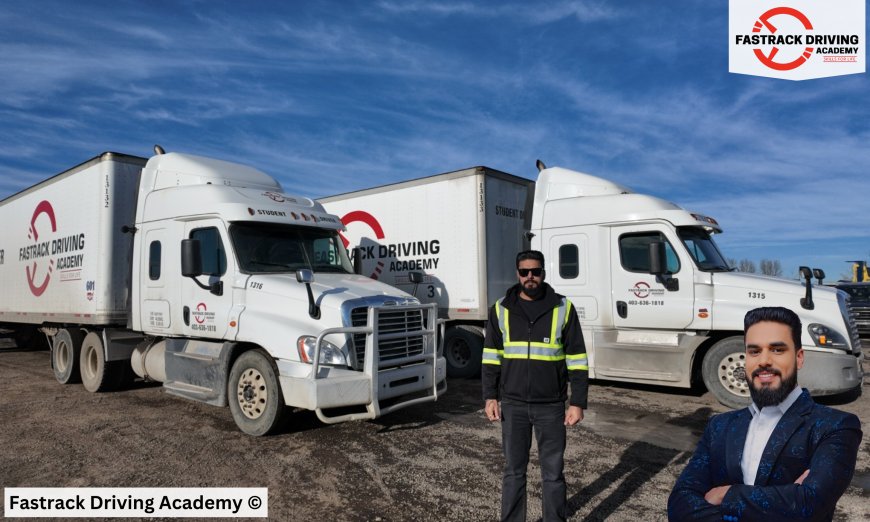
Preparing for a Class 1 road test can feel overwhelming for many new commercial drivers. From vehicle inspections to road awareness, students are expected to demonstrate safe driving habits, proper control techniques, and confidence behind the wheel. However, even well-prepared students can make small mistakes during the Class 1 road test that may affect their overall performance.
Understanding these common mistakes is important because it helps students focus on areas that often need extra attention during Class 1 training. With professional guidance and consistent practice, drivers can improve their skills, develop safer habits, and become more comfortable operating commercial vehicles on Alberta roads.
Significance of Understanding Common Class 1 Road Test Mistakes
Recognizing common road test mistakes is an important part of commercial driver preparation. It allows students to improve their awareness, strengthen their driving habits, and better understand what instructors focus on during Class 1 training.


Better Awareness of Safety Procedures
Safety is one of the most important parts of commercial truck driving. During a Class 1 road test, students are expected to demonstrate safe driving techniques at all times. Many mistakes happen because students become nervous or forget basic safety checks during the test.
For example, failing to check mirrors regularly, missing shoulder checks before lane changes, or not maintaining safe following distances are common issues instructors often notice. According to the Government of Alberta Commercial Driver Guide, commercial drivers must consistently demonstrate safe driving practices and awareness on the road.
Students who understand these expectations early during training are often able to build stronger driving habits over time.
Helps Students Prepare More Effectively
Knowing the common mistakes students make during the Class 1 road test can help them prepare more efficiently. Instead of only focusing on basic vehicle operation, students can spend extra time practicing specific areas where new drivers often struggle.


These may include:
-
Wide turns
-
Improper backing techniques
-
Speed management
-
Lane positioning
-
Observation habits
-
Coupling and uncoupling procedures
At Fastrack Driving Academy , students receive hands-on Class 1 learning pathway training designed to help them practice real-world driving situations and improve their overall driving confidence.
Encourages Better Vehicle Control Skills
Commercial vehicles require a different level of control compared to smaller passenger vehicles. Many students underestimate the importance of smooth steering, controlled braking, and proper turning techniques during the Class 1 road test.
Poor vehicle control can lead to mistakes such as:
-
Rolling stops
-
Harsh braking
-
Improper lane usage
-
Difficulty during reverse maneuvers
Consistent training helps students become more comfortable operating large commercial vehicles in different traffic and road conditions. The National Safety Code Standards also emphasizes the importance of safety knowledge and operational awareness for commercial drivers across Canada.
Builds Confidence Through Practice
Many road test mistakes happen because students become anxious during the evaluation process. Nervousness can affect concentration, reaction time, and decision-making abilities.
Practical Class 1 training allows students to repeatedly practice essential driving tasks until they feel more comfortable handling different situations. Over time, this can help reduce stress and improve overall driving performance.
Students who regularly practice pre-trip inspections, road maneuvers, backing exercises, and highway driving often feel more prepared for the road test environment.
Promotes Long-Term Safe Driving Habits
The purpose of Class 1 training is not only to prepare students for the road test but also to help them develop responsible driving habits for long-term commercial driving careers.
Learning from common mistakes early can help students:
-
Improve defensive driving habits
-
Increase road awareness
-
Understand vehicle limitations
-
Follow commercial driving regulations more carefully
Drivers who continue practicing these habits after training may become safer and more responsible commercial vehicle operators over time.
For students preparing for commercial driver training, reading resources like Step-by-Step Guide for Class 1 Learning Pathway Training can also provide useful information about the training process in Alberta.
Common Mistakes Students Make During the Class 1 Road Test
Understanding the mistakes that commonly occur during the Class 1 road test can help students focus on areas that require extra attention during training.
Incomplete Pre-Trip Inspection
The pre-trip inspection is one of the most important parts of the Class 1 road test. Some students rush through the inspection or forget important vehicle components.
Common issues include:
-
Missing brake checks
-
Forgetting fluid inspections
-
Incomplete air brake procedures
-
Not identifying safety defects properly
A thorough inspection demonstrates that the driver understands vehicle safety and maintenance responsibilities.
Improper Mirror Checks and Observation
Commercial drivers must maintain constant awareness of their surroundings. Many students forget to check mirrors frequently, especially during turns, lane changes, and intersections.
Examiners often look for:
-
Regular mirror scanning
-
Proper shoulder checks
-
Awareness of blind spots
-
Safe lane changes
Consistent observation habits are essential for operating large commercial vehicles safely.
Difficulty with Backing Maneuvers
Backing a tractor-trailer can be challenging for new drivers. Some students struggle with trailer positioning, steering adjustments, or maintaining proper alignment.
Common backing mistakes include:
-
Oversteering
-
Poor trailer alignment
-
Insufficient observation
-
Rushing the maneuver
Repeated practice during training can help students improve control and accuracy while reversing.
Speed Management Problems
Maintaining proper speed is another area where students may struggle. Driving too fast or too slowly can both create safety concerns during the road test.
Students should pay close attention to:
-
Posted speed limits
-
Weather conditions
-
Traffic flow
-
Downhill speed control
Proper speed management demonstrates good judgment and vehicle control.
Wide or Improper Turns
Large commercial vehicles require extra space for turning. Students sometimes misjudge turning distances or fail to position the vehicle correctly before making turns.
This can result in:
-
Crossing lanes
-
Hitting curbs
-
Poor lane positioning
-
Unsafe turning angles
Training exercises focused on urban driving and intersections can help students improve turning techniques.
Practical Steps to Improve During Class 1 Training
Students preparing for the Class 1 road test can benefit from structured practice and consistent learning habits. The following steps may help improve overall driving performance during training.
Practice Pre-Trip Inspections Regularly
Students should become familiar with all vehicle inspection procedures and practice them consistently. Repetition can help improve memory and confidence during the inspection process.
Creating a checklist may also help students remember important inspection points.
Focus on Observation Habits
Mirror checks and road awareness should become part of every driving routine. Students should practice scanning mirrors frequently and performing shoulder checks during all maneuvers.
Good observation habits improve overall road awareness and help drivers respond safely to changing traffic conditions.
Spend Extra Time on Backing Skills
Backing exercises often require patience and repetition. Students can improve by practicing:
-
Straight-line backing
-
Offset backing
-
Alley dock maneuvers
-
Trailer positioning
Learning how small steering adjustments affect trailer movement can help improve control over time.
Practice Defensive Driving Techniques
Defensive driving involves staying alert, maintaining safe following distances, and anticipating potential hazards.
Students should focus on:
-
Maintaining safe space around the vehicle
-
Adjusting to road and weather conditions
-
Watching traffic patterns carefully
-
Planning lane changes early
The Alberta Transportation Safety Resources provide additional information about commercial driving safety practices and regulations.
Train with Experienced Instructors
Professional instructors can identify areas where students may need improvement and provide practical guidance based on real driving situations.
At Fastrack Driving Academy Class 1 Training, students receive hands-on training designed to help them understand commercial driving techniques, safety procedures, and road awareness skills required for Alberta roads.
The Class 1 road test is an important step for students preparing for a commercial driving career. While many students face challenges during training, understanding the common mistakes made during the Class 1 road test can help improve preparation and overall driving awareness.
From pre-trip inspections to backing maneuvers and observation habits, every part of the training process plays a role in helping students build safer driving skills. Consistent practice, professional instruction, and patience can help students become more comfortable operating commercial vehicles in real-world driving situations.
To continue learning about commercial driver training, explore the Fastrack Driving Academy Blog for more Class 1 training tips, industry insights, and helpful driving resources.
What's Your Reaction?