




Essential Skills Every Professional Truck Driver Should Learn
Learn the essential skills every professional truck driver should develop through Class 1 training, safety practices, and real-world driving experience.
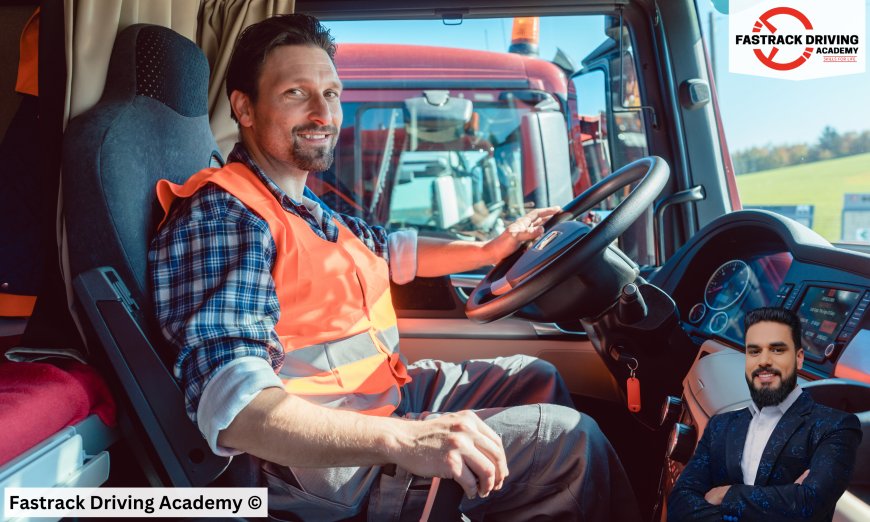
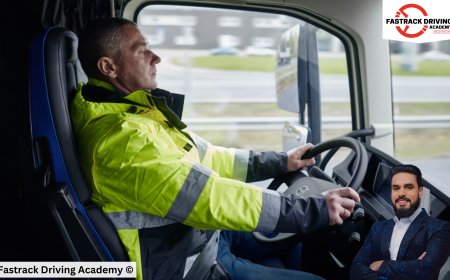
The trucking industry plays a major role in keeping goods moving across Canada, making professional truck drivers an important part of the transportation sector. As commercial driving responsibilities continue to grow, learning the essential skills every professional truck driver should learn has become more important than ever for new and experienced drivers alike.
Professional truck driving requires more than simply operating a large vehicle. Drivers must understand road safety, vehicle inspections, time management, communication, and defensive driving techniques. Through proper Class 1 training and practical experience, students can build the knowledge and driving habits needed to handle real-world driving situations more effectively and responsibly.
Significance of Essential Skills for Professional Truck Drivers
Professional truck drivers face a wide range of responsibilities every day. From navigating highways to handling large commercial vehicles in changing weather conditions, strong driving skills and safety awareness are essential for long-term success in the trucking industry.

Road Safety Awareness Improves Driving Habits
One of the most important skills professional truck drivers should learn is road safety awareness. Commercial vehicles are much larger and heavier than passenger vehicles, which means drivers must stay alert and cautious at all times.
Road safety awareness includes:
-
Monitoring surrounding traffic
-
Maintaining safe following distances

-
Checking mirrors frequently
-
Anticipating road hazards
-
Adjusting driving according to weather conditions


According to the Government of Alberta Commercial Driver Guide, commercial drivers are expected to understand safe driving practices, vehicle operation procedures, and road regulations before operating commercial vehicles professionally.
Developing strong safety habits during training can help drivers become more aware and responsible on the road.
Vehicle Inspection Knowledge Supports Safer Operations
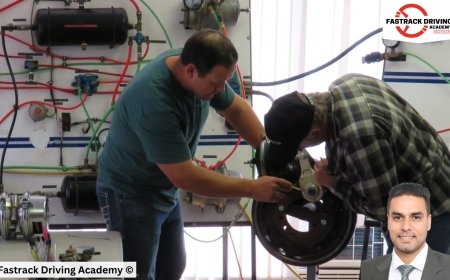
Pre-trip inspections are a key part of commercial driving. Professional truck drivers should know how to inspect major vehicle components before beginning a trip.
Important inspection areas include:
-
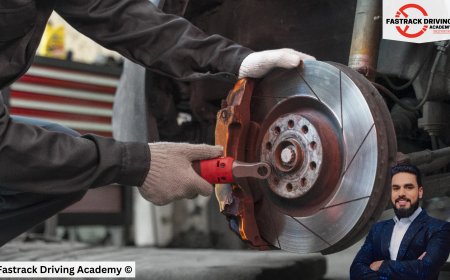
Brake systems
-
Tires and wheels
-
Lights and signals
-
Air brake systems
-
Fluid levels
-
Coupling equipment
Understanding vehicle inspection procedures helps drivers identify potential safety concerns early and maintain better operational awareness.
At Fastrack Driving Academy students receive practical Class 1 learning pathway training that includes vehicle inspection procedures, safety practices, and hands-on driving experience designed for Alberta roads.
Defensive Driving Skills Help Drivers Handle Real-World Situations
Defensive driving is another essential skill professional truck drivers should develop during training. Traffic conditions can change quickly, especially on busy highways and urban roads.
Defensive driving techniques may include:
-
Staying focused and alert
-
Managing speed safely
-
Planning lane changes early
-
Watching for aggressive drivers
-
Responding calmly in unexpected situations
The National Safety Code Standards for Commercial Drivers emphasize safety awareness and responsible driving practices for commercial vehicle operators across Canada.
Drivers who consistently practice defensive driving habits may be better prepared to respond safely to changing road conditions.
Communication Skills Support Professionalism
Truck drivers regularly communicate with dispatchers, instructors, customers, warehouse staff, and other drivers. Good communication skills help improve coordination and workplace professionalism.
Important communication skills include:
-
Listening carefully to instructions
-
Providing clear updates
-
Maintaining professional behavior
-
Reporting concerns appropriately
Strong communication can also help drivers better understand route instructions, delivery procedures, and safety expectations during daily operations.
Time Management Helps Drivers Stay Organized
Professional truck drivers often work with schedules, delivery windows, and route planning responsibilities. Time management is an important skill that helps drivers stay organized throughout the workday.
This may include:
-
Planning routes carefully
-
Managing rest breaks
-
Tracking driving hours
-
Preparing for weather or traffic delays
Learning time management during Class 1 training can help students better understand the responsibilities involved in commercial transportation.
For students interested in learning more about Alberta commercial driver training, the Step-by-Step Guide for Class 1 Learning Pathway Training provides additional information about the training process and commercial driving preparation.
Essential Skills Every Professional Truck Driver Should Develop
Building strong commercial driving skills takes time, practice, and proper instruction. The following skills are commonly emphasized during professional truck driver training programs.
Proper Vehicle Control
Operating a commercial truck requires smooth steering, braking, and speed management. Drivers should understand how vehicle weight and road conditions affect stopping distances and maneuverability.
Key areas of vehicle control include:
-
Turning safely
-
Maintaining lane position
-
Controlling speed downhill
-
Managing space around the vehicle
-
Handling curves carefully
Regular driving practice can help students become more comfortable handling commercial vehicles in different situations.
Backing and Parking Techniques
Backing a tractor-trailer is one of the more challenging skills for new drivers. Proper backing techniques require patience, observation, and consistent steering control.
Students often practice:
-
Straight-line backing
-
Offset backing
-
Alley dock parking
-
Parallel parking techniques
Learning these maneuvers during training can help drivers improve precision and vehicle awareness.
Hazard Awareness and Observation Skills
Professional drivers must constantly monitor their surroundings. Hazard awareness involves recognizing potential risks early and responding appropriately.
Drivers should pay attention to:
-
Blind spots
-
Traffic flow
-
Pedestrian activity
-
Construction zones
-
Road surface conditions
Frequent mirror checks and proper observation habits are essential parts of safe commercial driving.
Understanding Air Brake Systems
Air brake knowledge is a major part of Class 1 commercial driver training. Drivers should understand how air brake systems function and how to inspect them properly.
Important topics include:
-
Air pressure monitoring
-
Brake adjustment awareness
-
Leak detection
-
Brake testing procedures
Understanding air brake systems supports safer vehicle operation and improved inspection habits.
Adaptability in Different Driving Conditions
Professional truck drivers may encounter:
-
Snow and ice
-
Rain and fog
-
Mountain roads
-
Heavy traffic
-
Rural highways
Adapting driving techniques to changing conditions is an important skill that develops through training and practical experience.
Practical Steps to Improve Professional Truck Driving Skills
Students interested in commercial driving can take several practical steps to continue improving their skills throughout training.
Practice Vehicle Inspections Daily
Consistent inspection practice helps students become familiar with commercial vehicle components and safety procedures. Repetition can improve confidence and attention to detail.
Students should learn to inspect vehicles carefully before every driving session.
Spend More Time Practicing Backing Maneuvers
Backing skills improve with repetition and patience. Practicing different backing exercises regularly can help students develop better trailer control and steering accuracy.
Small steering adjustments and proper observation are important during reverse maneuvers.
Focus on Defensive Driving Habits
Students should work on developing calm, defensive driving habits during all practice sessions.
Helpful defensive driving habits include:
-
Keeping safe following distances
-
Avoiding sudden braking
-
Watching traffic patterns
-
Staying alert at intersections
The Alberta Transportation Safety Resources provide additional information about road safety practices and commercial driving responsibilities.
Learn From Experienced Instructors
Professional instructors can provide valuable guidance during commercial driver training. Their feedback may help students identify areas where additional practice is needed.
At Fastrack Driving Academy Class 1 Training, students receive hands-on instruction designed to help them improve driving techniques, inspection knowledge, and road awareness skills for Alberta highways and commercial driving environments.
Continue Building Knowledge Beyond Training
Commercial driving regulations and road safety practices continue evolving over time. Drivers should continue learning through safety resources, industry updates, and additional driving experience.
Staying informed can help drivers better understand transportation standards and professional driving responsibilities.
Learning the essential skills every professional truck driver should develop is an important part of becoming a responsible commercial driver. From defensive driving and vehicle inspections to communication and time management, these skills help drivers build safer habits and improve overall road awareness.
Professional Class 1 training provides students with opportunities to practice real-world driving situations, understand commercial vehicle operations, and gain practical experience under instructor guidance. Over time, consistent practice and continued learning can help drivers become more confident and prepared for the trucking industry.
To learn more about commercial driver training and Class 1 learning pathway programs in Alberta, explore the Fastrack Driving Academy Blog for additional training resources, safety tips, and trucking industry insights.
What's Your Reaction?