





Complete Guide to Class 1 Learning Pathway Training in Alberta
Learn about Class 1 learning pathway training in Alberta, including requirements, safety skills, and commercial driver training steps.

The transportation industry continues to play a major role in Alberta’s economy, creating growing opportunities for individuals interested in commercial driving careers. As more businesses rely on trucking and logistics services, Class 1 learning pathway training in Alberta has become an important starting point for students who want to develop professional commercial driving skills.
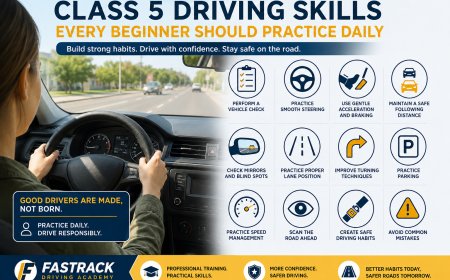
Class 1 training involves much more than learning how to operate a truck. Students are introduced to road safety practices, vehicle inspections, air brake systems, defensive driving techniques, and real-world highway driving experience. Understanding the Class 1 learning pathway can help new drivers prepare for the responsibilities involved in commercial transportation across Alberta and Canada.
Significance of Class 1 Learning Pathway Training in Alberta
Class 1 learning pathway training is designed to help students develop the practical knowledge and driving habits required for operating commercial vehicles safely and responsibly. The training process supports both road safety awareness and professional skill development.

Commercial Driver Training Supports Road Safety
One of the most important aspects of Class 1 learning pathway training is the focus on road safety. Commercial vehicles are larger and heavier than passenger vehicles, requiring drivers to maintain strong observation habits and careful vehicle control.
Training programs often include:
-
Defensive driving techniques
-
Mirror and blind spot awareness

-
Safe turning procedures
-
Highway driving skills
-
Speed and space management


According to the Government of Alberta Commercial Driver Guide, commercial drivers must understand vehicle operation procedures, safety regulations, and responsible driving practices before operating large commercial vehicles professionally.
Road safety awareness developed during training can help students become more attentive and responsible drivers over time.
The Learning Pathway Helps Students Build Practical Skills
Class 1 training programs provide students with opportunities to practice real-world driving situations under instructor guidance. Practical learning is important because commercial driving requires more than theoretical knowledge.
Students typically practice:
-
Vehicle inspections
-
Backing maneuvers
-
Coupling and uncoupling
-
Lane positioning
-
Highway driving
-
Air brake procedures
At Fastrack Driving Academy, students receive hands-on Class 1 learning pathway training designed to help them develop commercial driving knowledge and practical road awareness for Alberta transportation environments.
Alberta’s Transportation Industry Continues Growing
Commercial transportation remains an important part of Alberta’s economy. Industries such as agriculture, construction, retail, oil and gas, and manufacturing rely heavily on truck transportation to move products and materials.
As transportation demands continue increasing, Class 1 training programs help prepare new drivers for commercial vehicle operations and industry responsibilities.
The National Safety Code Standards for Commercial Drivers outline important safety practices and commercial transportation standards used across Canada.
Learning these standards during training helps students better understand industry expectations and road safety requirements.
Training Encourages Defensive Driving Habits
Defensive driving is an important skill for commercial drivers because road conditions and traffic situations can change quickly.
Class 1 learning pathway training often focuses on:
-
Hazard awareness
-
Maintaining safe following distances
-
Speed management
-
Safe lane changes
-
Emergency response awareness
Students who practice defensive driving techniques regularly can improve their awareness and decision-making abilities while operating commercial vehicles.
Vehicle Inspection Training Supports Safer Operations
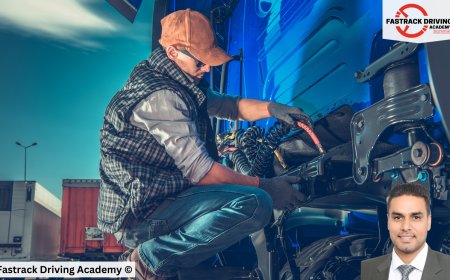
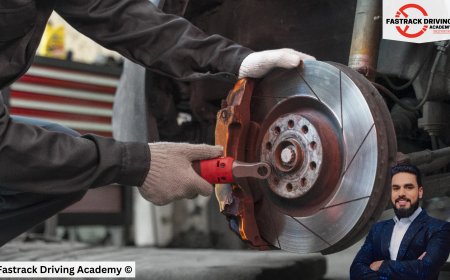
Pre-trip inspections are a major part of commercial driver training. Students learn how to inspect important vehicle components before driving.
Inspection areas may include:
-
Tires and wheels
-
Brake systems
-
Lights and reflectors
-
Coupling systems
-
Air brake components
-
Fluid levels
Understanding vehicle inspection procedures helps students develop stronger safety habits and operational awareness.
For individuals interested in commercial driving preparation, the Essential Skills Every Professional Truck Driver Should Learn blog provides additional information about important trucking skills and commercial driver responsibilities.
Step-by-Step Guide to Class 1 Learning Pathway Training in Alberta
Understanding the steps involved in Class 1 learning pathway training can help students prepare for the commercial driver training process more effectively.
Step 1: Learn Alberta’s Class 1 Requirements
Students should begin by understanding Alberta’s Class 1 licensing requirements and training expectations.
Important areas to research include:
-
Eligibility requirements
-
Medical standards
-
Air brake requirements
-
Training hours
-
Commercial driving regulations
Reviewing official transportation resources can help students better understand the process before beginning training.
Step 2: Enroll in a Professional Training Program
Choosing a professional Class 1 training program is an important step for students interested in commercial driving.
A structured training program may include:
-
Classroom instruction
-
Vehicle inspection training
-
Air brake education
-
Practical driving experience
-
Highway driving exercises
-
Backing and parking practice
At Fastrack Driving Academy Class 1 Training, students receive practical instruction designed to help them build commercial driving awareness, inspection knowledge, and vehicle operation skills for Alberta highways and transportation environments.
Step 3: Practice Vehicle Inspections Consistently
Vehicle inspections are a routine part of commercial transportation. Students should spend time learning proper inspection procedures and understanding commercial vehicle components.
Consistent practice may help students improve:
-
Attention to detail
-
Safety awareness
-
Familiarity with truck systems
-
Inspection confidence
Pre-trip inspections also support safer vehicle operation during training and future commercial driving work.
Step 4: Develop Backing and Maneuvering Skills
Backing a tractor-trailer requires patience, observation, and steering control. Many students spend additional time practicing reverse maneuvers because they involve careful positioning and awareness.
Common backing exercises include:
-
Straight-line backing
-
Offset backing
-
Alley dock maneuvers
Repeated practice can help students better understand trailer movement and steering adjustments.
Step 5: Focus on Defensive Driving Techniques
Defensive driving habits are essential for commercial vehicle operators. Students should practice maintaining awareness of surrounding traffic and road conditions during every training session.
Helpful defensive driving habits include:
-
Checking mirrors regularly
-
Monitoring blind spots
-
Maintaining safe space around the vehicle
-
Adjusting driving during poor weather
-
Anticipating traffic changes
The Alberta Transportation Safety Resources provide additional information about commercial transportation safety practices and regulations.
Step 6: Continue Learning Beyond Training
Commercial driving involves continuous learning and experience. Students can continue improving their driving knowledge by reviewing transportation safety materials and practicing responsible driving habits regularly.
Staying informed about commercial driving regulations and industry practices can help drivers build stronger professional awareness over time.
Common Challenges Students May Face During Training
Commercial driver training can be challenging for students who are new to operating large vehicles. Understanding common learning challenges may help students prepare more effectively.
Adjusting to Commercial Vehicle Size
Large commercial vehicles require wider turns, longer stopping distances, and more space during maneuvers. Some students need additional time to become comfortable with vehicle dimensions and road positioning.
Learning Air Brake Procedures
Air brake systems operate differently from standard vehicle braking systems. Students often spend time learning brake inspections, pressure monitoring, and brake safety procedures.
Improving Observation Habits
Commercial drivers must maintain constant awareness of surrounding traffic and road conditions. Mirror checks, blind spot monitoring, and hazard awareness are important parts of commercial driving training.
Managing Highway Driving Conditions
Highway traffic, changing weather, and long driving distances can create challenges for new drivers. Training helps students gradually become more familiar with highway driving situations.
Class 1 learning pathway training in Alberta plays an important role in preparing students for commercial driving responsibilities. Through practical instruction, vehicle inspections, defensive driving practice, and highway training, students can build important skills needed for operating commercial vehicles safely and responsibly.
Commercial driver training also helps students understand road safety practices, transportation regulations, and the importance of vehicle awareness in real-world driving situations. As Alberta’s transportation industry continues growing, Class 1 training remains an important step for individuals interested in commercial trucking careers.
To explore more information about commercial driver education, road safety, and trucking industry topics, visit the Fastrack Driving Academy Blog for additional training resources and Class 1 learning pathway insights.
What's Your Reaction?