




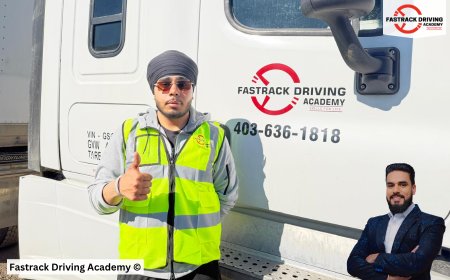
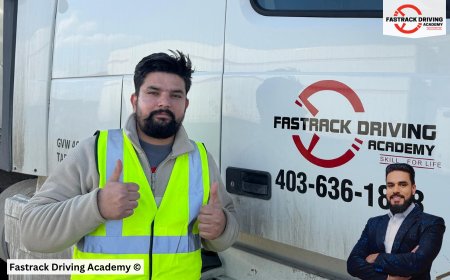
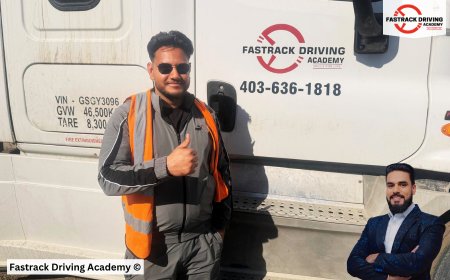

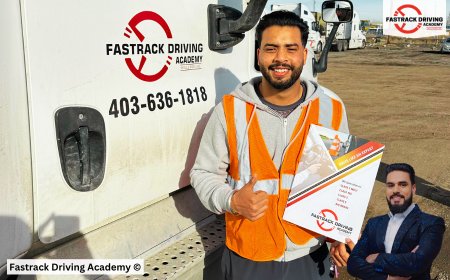
How Fastrack Driving Academy Helps Students Build Confidence in Class 1 Training
Learn how Fastrack Driving Academy helps students build confidence through structured Class 1 training, practical experience, and safe driving practices.
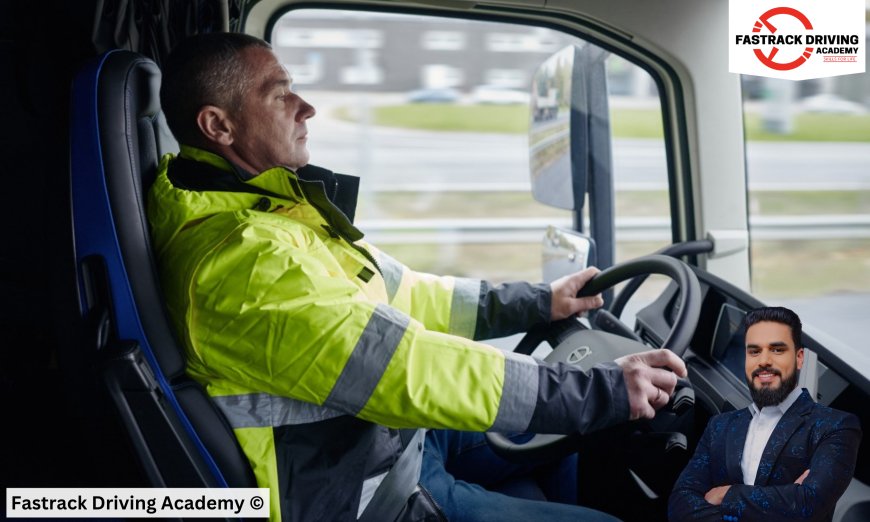
Building confidence behind the wheel is an important part of learning to operate a commercial vehicle. Class 1 training is about much more than understanding vehicle controls—it also involves developing safe driving habits, improving decision-making, and becoming comfortable in different road and traffic conditions. A structured training program allows students to gradually strengthen their skills while learning from experienced instructors in a supportive environment.
Fastrack Driving Academy provides Class 1 training designed to help students develop confidence through practical instruction, hands-on experience, and consistent guidance. Whether someone is beginning their commercial driving journey or looking to improve their existing skills, quality training plays an important role in preparing them for real-world driving situations.
Benefits of Class 1 Training for Building Confidence
Learning Through a Structured Training Program
Confidence often develops through consistent practice and clear instruction. A structured Class 1 training program introduces new skills in a logical sequence, allowing students to become familiar with each aspect of commercial driving before moving on to more advanced techniques.


Instead of learning everything at once, students have the opportunity to focus on individual driving skills, understand vehicle operations, and gradually become more comfortable in different driving environments. This step-by-step approach supports steady skill development while encouraging safe driving habits.
Developing Practical Driving Skills
Commercial vehicles require different driving techniques than passenger vehicles. During Class 1 training, students spend time learning practical skills that can be applied in everyday driving situations.
Training typically includes:
-
Vehicle inspections

-
Basic vehicle control
-
Turning and lane positioning
-
Backing techniques
-
Coupling and uncoupling procedures
-
Highway driving
-
City driving
-
Defensive driving practices


Regular practice allows students to become more familiar with these tasks while improving their overall comfort and confidence behind the wheel.
Becoming Comfortable in Different Driving Conditions
Every road presents unique challenges. Commercial drivers may encounter heavy traffic, highways, construction zones, changing weather conditions, or rural roads during their daily work.
Class 1 training introduces students to a variety of driving environments so they can gain practical experience in different situations. Exposure to multiple road conditions helps students better understand how to adapt their driving techniques while maintaining safety and vehicle control.
Learning in different environments also helps reduce uncertainty when encountering unfamiliar roads in the future.
Receiving Guidance from Experienced Instructors
Constructive feedback plays an important role in the learning process. Experienced instructors observe students during training sessions, explain driving techniques, and provide suggestions that help improve performance over time.
Instead of simply pointing out mistakes, instructors focus on helping students understand why specific driving practices are important. This supportive learning environment encourages continuous improvement while allowing students to ask questions and build their knowledge with confidence.
Personalized instruction also helps students progress at a pace that matches their individual learning needs.
Building Safe Driving Habits
Confidence should always be supported by safe driving practices. Throughout Class 1 training, students learn the importance of maintaining awareness, planning ahead, and making thoughtful driving decisions.
Training often emphasizes:
-
Maintaining safe following distances
-
Proper mirror usage
-
Speed management
-
Hazard awareness
-
Space management
-
Vehicle inspection routines
-
Defensive driving techniques
Developing these habits early helps students approach commercial driving with greater awareness and responsibility.
Practical Steps to Build Confidence During Class 1 Training
Attend Every Training Session
Consistent attendance allows students to build upon previously learned skills. Each lesson introduces new concepts while reinforcing earlier training, helping students continue progressing throughout the program.
Practice One Skill at a Time
Learning commercial driving involves many different techniques. Focusing on one skill before moving to another helps reduce unnecessary pressure and allows students to gain a better understanding of each task.
Steady improvement often comes from repeating individual skills until they become more familiar.
Ask Questions Throughout Training
Every student learns differently. Asking questions whenever something is unclear helps improve understanding and encourages active participation during lessons.
Open communication with instructors creates a more effective learning experience and supports long-term skill development.
Learn From Feedback
Feedback provides valuable opportunities for improvement. Listening carefully to instructor guidance allows students to refine their techniques and better understand areas where additional practice may be beneficial.
Viewing feedback as part of the learning process can contribute to continued growth throughout training.
Practice Staying Calm Behind the Wheel
Commercial driving requires focus and concentration. Developing habits such as staying calm, planning ahead, and avoiding rushed decisions can help students feel more comfortable during training sessions.
Remaining patient while learning allows confidence to grow naturally with experience.
Focus on Safety First
Building confidence is closely connected to developing safe driving habits. Paying attention to surroundings, following traffic regulations, and using proper driving techniques encourages responsible decision-making throughout the learning process.
Safety-focused training helps students understand the importance of preparation before every trip.
Continue Learning After Each Lesson
Reviewing what was learned after each training session can reinforce new concepts and improve understanding. Taking time to reflect on instructor feedback and recent experiences helps students prepare for future lessons with greater confidence.
Consistent learning contributes to gradual improvement over time.
Why Confidence Matters for Commercial Drivers
Confidence supports better decision-making, smoother vehicle handling, and improved focus while driving. However, confidence is most effective when it is built through knowledge, practical experience, and safe driving practices.
Students who participate actively in their training often become more comfortable performing vehicle inspections, operating large commercial vehicles, navigating different road conditions, and applying defensive driving techniques.
As confidence develops alongside practical skills, students are better prepared to continue learning and adapting to new driving situations throughout their commercial driving journey.
Building confidence in commercial driving is a gradual process that develops through structured learning, practical experience, and consistent practice. Every lesson provides an opportunity to strengthen driving skills, improve decision-making, and become more comfortable operating a commercial vehicle in a variety of road conditions.
Fastrack Driving Academy provides Class 1 training that focuses on practical instruction, safe driving habits, and skill development in a supportive learning environment. By participating actively in training, practicing regularly, and applying instructor feedback, students can continue building confidence throughout their learning journey.
If you're considering Class 1 training, explore the programs offered by Fastrack Driving Academy to learn more about the training options available and take the next step toward developing your commercial driving skills.
What's Your Reaction?