






Class 1 Learning Pathway: Take the Wheel of Your Future
Discover the Class 1 Learning Pathway in Alberta, explore structured training steps, benefits, and how learners can build commercial driving skills with guided instruction.

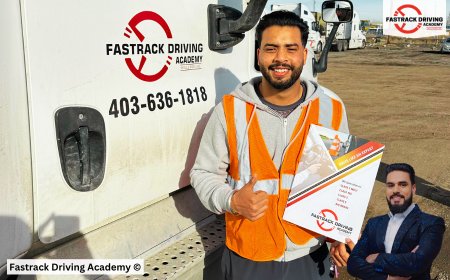
The Class 1 Learning Pathway offers a structured approach for individuals interested in developing commercial driving skills in Alberta. As the demand for trained drivers continues across industries, many learners are exploring programs that provide organized instruction and step-by-step guidance. This pathway focuses on knowledge development, hands-on training, and practical experience designed to support learners throughout their journey. Whether you are starting fresh or considering a career shift, understanding the Class 1 Learning Pathway can help you prepare for structured training. With a clear learning process and progressive instruction, learners gain exposure to professional driving practices and real-world scenarios.
Benefits of the Class 1 Learning Pathway
Structured Learning With Clear Direction
One of the main benefits of the Class 1 Learning Pathway is its structured format. Instead of navigating requirements independently, learners follow a guided sequence that introduces concepts gradually. This approach helps individuals focus on developing one skill at a time while building confidence through practice.
Training typically includes classroom instruction, yard practice, and on-road learning. Each stage is designed to build upon the previous one, allowing learners to understand vehicle systems, inspection procedures, and safe driving techniques. This progression helps create a steady learning experience without overwhelming new drivers.

The official Alberta guidelines outline how the pathway emphasizes training, knowledge, and supervised driving practice. You can review the details here: https://www.alberta.ca/class-1-learning-pathway . Understanding this structure helps learners prepare for each stage and stay focused on skill development.
Emphasis on Real-World Driving Experience
The Class 1 Learning Pathway places strong emphasis on practical learning. Instead of focusing only on theoretical knowledge, learners spend time practicing maneuvers and driving in realistic conditions. This helps them become familiar with handling large vehicles in different environments.
Practical training may include:
-
Turning and lane positioning

-
Backing and parking maneuvers
-
Pre-trip inspection routines
-
Highway and city driving
-
Managing space and visibility


These exercises provide opportunities to apply classroom knowledge in controlled and supervised environments. Over time, learners gain familiarity with vehicle handling and road awareness.
For additional insight into progressive training approaches, you can explore this resource:
https://blogs.fastrackdriving.ca/from-training-wheels-to-trucking-pro-albertas-class-1-pathway-fastrack-driving-academy . This article explains how step-by-step instruction supports skill development throughout the learning process.
Clear Expectations for Learners
Another advantage of the Class 1 Learning Pathway is the clarity it provides. Learners understand what topics will be covered and how training progresses. This transparency allows individuals to prepare and manage their learning journey effectively.
Clear expectations typically include:
-
Training stages
-
Knowledge topics
-
Practical exercises
-
Instructor-guided learning
-
Skill development milestones
Knowing what to expect helps learners stay organized. It also allows them to focus on improving their abilities through consistent practice.
Instructor feedback is also an important part of this process. During training sessions, learners receive guidance on techniques, positioning, and vehicle control. This feedback supports gradual improvement and encourages continuous learning.
Preparation for Professional Driving Responsibilities
The Class 1 Learning Pathway introduces learners to professional driving practices. Operating heavy vehicles involves responsibility, awareness, and technical understanding. Structured training helps learners explore these areas in a supportive environment.
Training may include:
-
Defensive driving concepts
-
Trip planning basics
-
Vehicle inspection procedures
-
Awareness of road conditions
-
Communication and decision-making
These topics contribute to a well-rounded learning experience. Learners develop familiarity with industry expectations while practicing practical skills.
This preparation helps individuals better understand the role of a commercial driver. It also allows them to build habits that support responsible vehicle operation.
Consistent Skill Development Through Practice
Consistency is an important part of learning to operate large vehicles. The Class 1 Learning Pathway encourages regular practice and progressive improvement. Each session builds upon previous knowledge, helping learners refine their skills gradually.
Through consistent training, learners can:
-
Improve vehicle control
-
Build situational awareness
-
Practice safe driving habits
-
Understand vehicle limitations
-
Develop smoother maneuvers
This gradual learning process helps individuals become more comfortable handling heavy vehicles. The focus remains on training, repetition, and guided instruction.
Practical Steps to Follow the Class 1 Learning Pathway
Step 1: Review the Class 1 Learning Pathway Requirements
Start by reviewing the official Class 1 Learning Pathway information. Understanding the training structure helps learners prepare and set expectations. The Alberta government provides an overview of the pathway, including learning stages and training components.
You can explore the official details here: https://www.alberta.ca/class-1-learning-pathway .
This information explains how learners move through classroom instruction and practical training.
Step 2: Choose a Structured Training Program
Selecting a structured training program is an important step. Look for programs that provide classroom instruction, yard practice, and on-road training. A well-organized program helps learners follow a clear progression.
Training programs often include:
-
Classroom sessions
-
Vehicle inspection training
-
Yard maneuver practice
-
On-road driving instruction
-
Instructor feedback
Choosing structured training helps learners build skills gradually.
Step 3: Begin Classroom Instruction
Classroom learning introduces foundational knowledge. This stage helps learners understand vehicle systems, safety procedures, and driving responsibilities. It prepares individuals for hands-on practice.
Common classroom topics include:
-
Vehicle components
-
Safety awareness
-
Defensive driving principles
-
Trip planning basics
-
Driving responsibilities
This knowledge supports learners as they move into practical training.
Step 4: Practice Yard Maneuvers
Yard practice focuses on vehicle control in a controlled environment. Learners practice steering, positioning, and maneuvering large vehicles. This helps build familiarity before entering public roads.
Yard exercises may include:
-
Straight backing
-
Offset backing
-
Parallel parking
-
Coupling and uncoupling
-
Space management
These activities support coordination and control.
Step 5: Transition to On-Road Training
On-road training allows learners to apply skills in real traffic environments. This stage includes city driving, highway driving, and route planning. Learners practice maintaining safe distances and managing speed.
Instructor guidance during this stage supports:
-
Lane positioning
-
Mirror usage
-
Turning techniques
-
Traffic awareness
-
Speed control
This experience helps learners build familiarity with different driving conditions.
Step 6: Continue Practicing and Building Skills
Learning continues throughout the training process. Regular practice helps reinforce techniques and improve consistency. Feedback from instructors supports ongoing development.
Learners benefit from:
-
Repeating maneuvers
-
Practicing inspections
-
Improving awareness
-
Developing smoother control
-
Building confidence gradually
This ongoing practice supports steady improvement.
The Class 1 Learning Pathway provides a structured approach for individuals interested in developing commercial driving skills. With guided instruction, practical training, and progressive learning, the pathway supports learners as they build knowledge and experience. From classroom instruction to yard practice and on-road training, each stage focuses on skill development and hands-on learning.
If you want to explore more about structured Class 1 training, you can also read:
https://blogs.fastrackdriving.ca/unlocking-success-with-the-class-1-learning-pathway-fastrack-driving-academy. Taking time to understand the learning pathway can help you prepare for training and plan your next steps. Continue exploring resources, learn about structured instruction, and consider how guided training can support your commercial driving journey.
What's Your Reaction?