




Master Every Mile with Advanced Air Brake Training – Fastrack Driving Academy
Learn safety standards with an advanced air brake training program in Calgary. Explore regulations, benefits, and practical steps for certification.
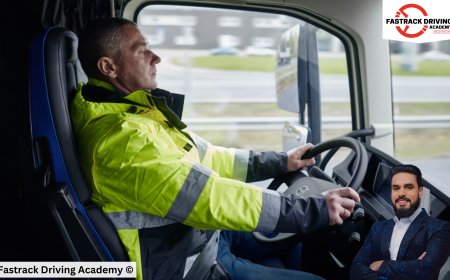
When operating a commercial vehicle, maintaining control is essential for safe and responsible driving. Control Every Mile: Advanced Air Brake Training Program explains why air brake knowledge plays an important role in modern trucking and commercial transportation. As fleets expand and vehicles transport heavier loads, understanding air brake systems becomes increasingly important.
An advanced air brake training program provides structured instruction on system components, inspection procedures, and safe operating techniques. For drivers pursuing commercial careers in Alberta and beyond, specialized air brake training provides the knowledge required for regulatory compliance, operational safety, and continued professional development within the transportation industry.
Benefits of Advanced Air Brake Training Program
1. Deeper Understanding of Air Brake System Components
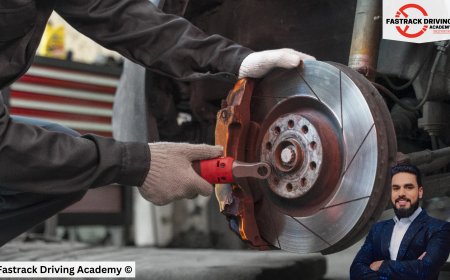
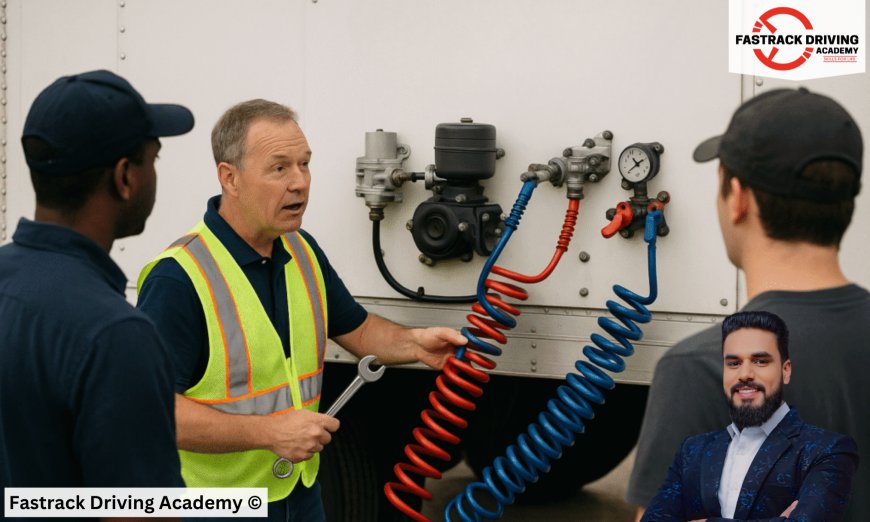
Air brake systems are more complex than hydraulic brakes used in passenger vehicles. They include compressors, reservoirs, valves, chambers, slack adjusters, and brake drums—all working together to manage heavy vehicle stopping power.
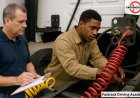
Advanced air brake training provides detailed classroom instruction combined with practical demonstrations. Participants learn how compressed air flows through the system, how pressure is regulated, and how mechanical components respond during braking. This structured approach helps drivers identify warning signs such as air leaks, pressure irregularities, or mechanical wear.
The official Air Brake Program guidelines published by the Government of Alberta outline the technical standards and certification requirements for commercial drivers. You can review the program details here: https://www.alberta.ca/air-brake-program .
By aligning instruction with provincial standards, training providers ensure that learners understand both theoretical concepts and practical application.
2. Improved Road Safety and Risk Awareness
Heavy-duty vehicles require greater stopping distances and controlled braking techniques, especially when transporting cargo. Advanced air brake training covers topics such as:


-
Safe braking on steep grades
-
Managing brake fade
-
Understanding air pressure build-up
-
Conducting brake tests before driving
Regulatory authorities such as Transport Canada emphasize the importance of commercial vehicle safety standards across Canada. Air brake knowledge contributes to maintaining those standards.
For additional practical safety insights tailored to local drivers, Fastrack Driving Academy provides guidance in this article:10 Calgary Airbrake Safety Tips Every Truck Driver Can’t Afford to Ignore
https://blogs.fastrackdriving.ca/10-calgary-airbrake-safety-tips-every-truck-driver-cant-afford-to-ignore-fastrack-driving-academy . Understanding how braking systems respond under different road and weather conditions supports informed decision-making behind the wheel.
3. Regulatory Compliance and Certification Preparation
In Alberta, commercial drivers operating vehicles equipped with air brakes must obtain the appropriate endorsement. The certification process includes knowledge-based instruction and practical components aligned with provincial guidelines.
Training programs structured around the Alberta Air Brake Program provide instruction on:
-
Pre-trip air brake inspections
-
Brake system testing procedures
-
Identifying system malfunctions
-
Documentation and compliance requirements
Alberta Transportation establishes the framework for licensing standards within the province. Structured training provides learners with the information necessary to complete the endorsement process in accordance with these requirements.
For individuals seeking focused preparation in Calgary, Fastrack Driving Academy offers additional details here: Get Your Airbrake Certification in Calgary – Expert Tips & Tricks
https://blogs.fastrackdriving.ca/get-your-airbrake-certification-in-calgary-fast-expert-tips-tricks-fastrack-driving-academy . This internal resource explains how air brake training is organized and delivered.
4. Expanded Career Possibilities in Commercial Driving
Air brake endorsement is commonly required for operating large commercial vehicles such as tractor-trailers, buses, and certain industrial trucks. Completing advanced air brake training may expand the types of vehicles a driver is qualified to operate.
The Government of Canada continues to report demand within transportation and logistics sectors. Drivers who complete air brake training may pursue roles involving heavier equipment and specialized transport. Career progression depends on experience, market conditions, and employer requirements. However, participating in advanced training contributes to a broader professional skill set within the industry.
5. Building Practical Experience Through Application
Classroom theory is complemented by hands-on learning during advanced air brake training. Programs typically provide supervised opportunities to:
-
Conduct full air brake inspections
-
Perform system pressure checks
-
Identify air leaks
-
Practice controlled braking techniques
This practical experience helps learners become more familiar with system behavior in real-world scenarios. Repeated supervised practice supports the development of consistent and responsible operating habits.
Practical Steps to Enroll in an Advanced Air Brake Training Program
Step 1: Review Provincial Requirements
Before enrolling, review Alberta’s official air brake endorsement requirements. The Government of Alberta’s Air Brake Program page provides information about eligibility, course structure, and testing procedures. Understanding these requirements helps you prepare for the training process.
Step 2: Choose a Recognized Training Provider
Look for a driving academy that aligns its curriculum with Alberta’s regulatory standards. A structured program typically includes:
-
Detailed classroom instruction
-
System component demonstrations
-
Hands-on inspection practice
-
Supervised practical sessions
Reviewing local educational resources, such as Fastrack’s air brake certification guide, can provide insight into program structure before enrolling.
Step 3: Study System Components Thoroughly
During training, focus on understanding how each component contributes to braking performance. Pay attention to:
-
Compressor function
-
Reservoir pressure management
-
Brake chamber operation
-
Slack adjuster roles
Developing a strong theoretical foundation supports practical learning.
Step 4: Practice Inspection Routines Consistently
Pre-trip air brake inspections are an important part of commercial driving. Training programs provide instruction on developing consistent inspection routines, including:
-
Checking air pressure build-up
-
Inspecting for audible leaks
-
Testing low-pressure warning systems
-
Confirming brake responsiveness
Regular supervised practice reinforces safe operational procedures.
Step 5: Stay Informed on Regulatory Updates
Transportation regulations may change over time. Refer periodically to official guidance from Transport Canada and the Government of Alberta to remain informed about safety updates or procedural changes. Ongoing awareness supports responsible vehicle operation throughout your career.
Advanced air brake training supports commercial driving safety and regulatory compliance. By learning system mechanics, practicing inspection procedures, and aligning with Alberta’s certification standards, drivers strengthen their operational knowledge and professional qualifications.
If you’re exploring additional educational resources, review: 10 Calgary Airbrake Safety Tips Every Truck Driver Can’t Afford to Ignore : https://blogs.fastrackdriving.ca/10-calgary-airbrake-safety-tips-every-truck-driver-cant-afford-to-ignore-fastrack-driving-academy .
To learn more about air brake training programs in Calgary, connect with Fastrack Driving Academy to review available course options and training schedules.
What's Your Reaction?