




Precision Driving: The New Standard for Class 5 Preparation
Precision driving for Class 5 preparation: improve observation, vehicle control, and consistency with structured training for safer, real-world road test readiness.

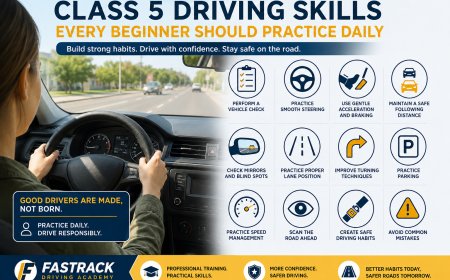
Precision driving is becoming the new standard for Class 5 preparation, especially for learners who want to build strong, consistent driving habits. Rather than focusing only on basic vehicle control, precision-based training emphasizes accuracy, awareness, and smooth decision-making in real-world situations. Today’s drivers are expected to demonstrate controlled turns, proper observation, safe spacing, and thoughtful lane positioning. This shift has made structured training more valuable than ever.
Precision driving helps learners understand how small adjustments—like mirror checks, speed control, and positioning—can improve overall driving quality and readiness for the Class 5 road test.
Significance of Precision Driving for Class 5 Preparation
1. Focus on Accuracy and Vehicle Control
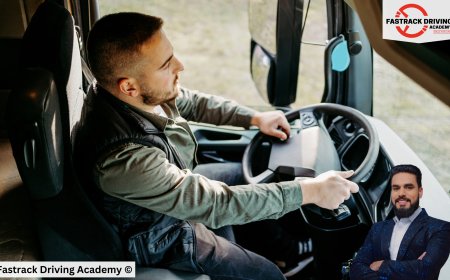
Precision driving emphasizes accuracy in every movement behind the wheel. Instead of simply navigating roads, learners focus on maintaining consistent lane positioning, smooth acceleration, and controlled braking. These elements help drivers become more aware of how their vehicle responds in different situations.


Training sessions often include:
-
Controlled turns at intersections
-
Proper lane centering
-
Smooth stops and starts

-
Accurate parking alignment
-
Speed consistency in various zones


By practicing these skills, learners gradually develop better control and awareness. Precision-focused training encourages drivers to think ahead and make small adjustments early, supporting safer driving habits over time.
For learners looking to build structured driving skills, this step-by-step guide to mastering your Class 5 license provides additional preparation strategies: https://blogs.fastrackdriving.ca/step-by-step-guide-to-mastering-your-class-5-license-fastrack-driving-academy.
2. Improved Observation and Awareness Skills
Precision driving highlights the importance of observation. Learners practice scanning intersections, checking mirrors regularly, and identifying potential hazards. This approach encourages drivers to stay aware of their surroundings rather than reacting at the last moment.
Training often focuses on:
-
Shoulder checks before lane changes
-
Mirror usage while adjusting speed
-
Scanning crosswalks and intersections
-
Monitoring surrounding traffic
-
Identifying road signs early
These techniques help drivers maintain awareness and make thoughtful decisions. The emphasis on observation also supports smoother driving and better anticipation of traffic flow.
According to the official Alberta Class 5 licence guidelines, drivers are expected to demonstrate safe observation, vehicle control, and adherence to traffic rules during the road test. Reviewing these expectations can help learners understand the importance of precision-based training:
https://www.alberta.ca/class-5-drivers-licence.
3. Consistency in Driving Habits
Precision driving encourages consistency, which is an important part of Class 5 preparation. Rather than making sudden movements, learners focus on maintaining steady speed, smooth steering, and controlled positioning.
Consistency training includes:
-
Maintaining proper following distance
-
Smooth lane transitions
-
Predictable braking patterns
-
Stable speed management
-
Controlled intersection approaches
Developing consistent habits helps drivers feel more comfortable in different road environments. It also supports better coordination between steering, braking, and observation.
4. Better Adaptability to Different Road Conditions
Precision driving training prepares learners to adjust to changing traffic and road environments. Training sessions often include residential streets, busier roads, and multi-lane traffic. Exposure to these conditions helps learners adapt gradually.
Drivers practice:
-
Navigating traffic circles
-
Handling lane merges
-
Adjusting speed in school zones
-
Responding to pedestrian crossings
-
Driving in varied traffic flow
This variety helps learners become familiar with different driving situations while building awareness and control across multiple environments.
5. Structured Training That Builds Confidence Gradually
Precision driving training follows a step-by-step structure. Learners begin with foundational skills and gradually move to more complex scenarios. This progression allows drivers to build comfort at their own pace.
Training typically includes:
-
Basic vehicle control
-
Residential driving
-
Intersection handling
-
Lane changes and merges
-
Parking techniques
This structured approach supports gradual improvement and encourages consistent practice.
Practical Steps to Apply Precision Driving for Class 5 Preparation
Step 1: Start With Basic Vehicle Control
Begin by focusing on steering, braking, and acceleration. Smooth control helps create a stable driving experience. Practice maintaining lane position and steady speed.
Step 2: Practice Observation Techniques
Work on scanning intersections, checking mirrors regularly, and performing shoulder checks. These habits improve awareness and help drivers anticipate traffic movement.
Step 3: Focus on Smooth Turns and Lane Positioning
Practice making controlled turns while maintaining proper lane alignment. Avoid sharp steering movements and aim for smooth transitions.
Step 4: Maintain Consistent Speed
Speed consistency is an important part of precision driving. Practice adjusting speed gradually based on road conditions, signs, and traffic flow.
Step 5: Practice Parking With Accuracy
Spend time practicing parallel parking, angle parking, and hill parking. Focus on alignment, observation, and slow vehicle control.
Step 6: Drive in Different Environments
Practice in residential areas, busier roads, and multi-lane streets. Exposure to varied conditions helps improve adaptability.
Step 7: Review Common Class 5 Road Test Expectations
Understanding what is typically evaluated during the road test can help guide your practice. This resource on what to expect on the Class 5 driving test offers useful insights:
https://blogs.fastrackdriving.ca/what-to-expect-on-the-class-5-driving-test-and-how-to-prepare-fastrack-driving-academy .
Step 8: Stay Calm and Focused During Practice
Approach each practice session with patience. Precision driving improves gradually with consistent repetition and thoughtful adjustments.
Precision driving represents a thoughtful and structured approach to Class 5 preparation. By focusing on accuracy, observation, and consistent vehicle control, learners develop skills that support safe and responsible driving. Structured training encourages gradual improvement while helping drivers become more aware of real-world road conditions. This approach emphasizes learning, practice, and skill development without rushing the process.
To continue improving your preparation, explore this helpful guide on what to expect on the Class 5 driving test and how to prepare: https://blogs.fastrackdriving.ca/what-to-expect-on-the-class-5-driving-test-and-how-to-prepare-fastrack-driving-academy .
Ready to refine your driving skills? Explore more Class 5 training resources, continue practicing precision techniques, and take the next step toward confident, controlled driving.
What's Your Reaction?