







Class 1 Excellence: Building Skilled and Confident Truck Drivers in Canada
Explore Class 1 Excellence and how professional training helps build skilled truck drivers in Canada. Learn benefits, steps, and career development insights.

The importance of Class 1 Excellence: Building Skilled and Confident Truck Drivers continues to grow as Canada’s transportation and logistics sector expands. With increasing demand for qualified drivers, structured learning has become a key part of preparing individuals for real-world driving responsibilities.
A Class 1 licence allows individuals to operate heavy commercial vehicles such as tractor-trailers. However, success in this field is built through proper training, hands-on experience, and a strong understanding of safety and road practices. This is why structured learning programs play an important role in shaping capable and confident drivers.
Significance of Class 1 Excellence

Class 1 excellence is not only about obtaining a licence—it is about developing the skills and awareness needed to operate commercial vehicles safely and responsibly in different driving conditions.
Below are some key aspects that highlight its significance:
Focus on Road Safety and Responsible Driving
Safety is a major priority in commercial transportation. Large vehicles require careful handling, awareness, and decision-making on the road.


According to Transport Canada, continuous driver education and safety-focused training contribute to improving overall road safety standards.
Structured training helps learners understand safe driving practices, hazard awareness, and proper vehicle handling techniques in different road conditions.
Programs such as the Class 1 Learning Pathway at Fastrack Driving Academy focus on building these essential safety foundations through guided instruction: https://blogs.fastrackdriving.ca/class-1-learning-pathway-take-the-wheel-of-your-future-fastrack-driving-academy
Development of Driving Confidence Through Practice
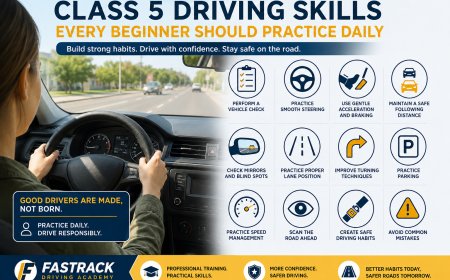
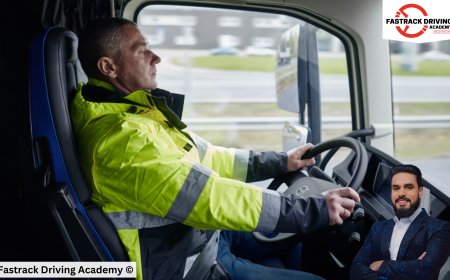
Confidence in commercial driving develops over time through guided experience and consistent practice. New drivers often need time to become comfortable with highway driving, reversing trailers, and managing long-distance routes.
Training programs focus on providing supervised driving practice, allowing learners to gradually build familiarity with real driving situations such as:
- Highway navigation
- Trailer handling basics
- Controlled reversing techniques
- Managing different road conditions
This structured approach helps learners become more comfortable and prepared for professional driving roles.
Expanding Career Opportunities in Transportation
The trucking and logistics industry in Canada continues to require skilled drivers. As a result, individuals who complete structured Class 1 training often find a wide range of job opportunities in freight transport, logistics, and commercial delivery sectors.
According to the Government of Alberta, Class 1 drivers are part of an essential workforce supporting goods movement across provinces. Structured training programs help individuals prepare for industry expectations and workplace responsibilities in a practical manner.
To learn more about structured career development, you can visit:
https://blogs.fastrackdriving.ca/accelerate-your-career-why-professional-class-1-learning-pathway-training-matters-fastrack-driving-academy.
Strengthening Technical Knowledge and Vehicle Understanding
Operating a Class 1 vehicle requires more than basic driving ability. It involves understanding mechanical systems and safe vehicle operation practices.
Training generally covers:
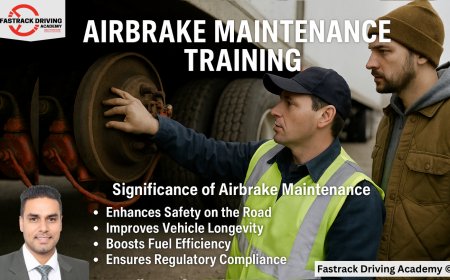
- Air brake systems and usage
- Load distribution principles
- Gear control techniques
- Pre-trip inspection procedures
This knowledge helps drivers operate vehicles more efficiently and with better awareness of maintenance and safety requirements.
Understanding Rules and Driving Regulations
Commercial driving in Canada is guided by specific transportation rules and regulations. These include driving hours, documentation requirements, and safety compliance standards.
Training programs introduce learners to these guidelines so they can develop awareness of legal responsibilities and safe operating practices within the industry.
Practical Steps to Build Class 1 Driving Skills
Becoming a skilled commercial driver involves structured learning, practice, and gradual skill development. The process focuses on building both knowledge and real-world experience.
Step 1: Enroll in a Structured Training Program
The first step is joining a professional driving school that provides Class 1 training. A structured program offers both classroom learning and practical driving sessions.
Step 2: Learn Vehicle Basics and Safety Concepts
Before driving on the road, learners are introduced to vehicle systems, safety checks, and operational basics. This helps build a strong foundation for practical learning.
Step 3: Gain Supervised Driving Experience
Practical driving sessions are an important part of training. Under instructor guidance, learners practice essential skills such as turning, reversing, and highway driving.
This step helps build comfort and familiarity with large commercial vehicles.
Step 4: Develop Defensive Driving Awareness
Defensive driving focuses on anticipating road conditions and making safe decisions. Training helps learners understand spacing, speed control, and hazard awareness.
These skills are important for maintaining safe driving habits in real-world conditions.
Step 5: Understand Licensing and Evaluation Requirements
Learners are introduced to licensing procedures, vehicle inspections, and safety checks as part of their preparation process. This helps them understand what is expected during formal driving assessments.
Step 6: Begin Entry into the Industry
After completing structured training, individuals can explore opportunities in transportation and logistics sectors. Many begin with local or regional driving roles before expanding into long-distance routes.
Class 1 excellence plays an important role in developing skilled and responsible commercial drivers. Through structured training, learners build safety awareness, technical knowledge, and practical driving experience that supports long-term career development in the trucking industry.
As Canada’s transportation sector continues to grow, professional training remains a key part of preparing individuals for real-world driving responsibilities.
To explore more about structured learning and career development pathways, visit: https://blogs.fastrackdriving.ca/accelerate-your-career-why-professional-class-1-learning-pathway-training-matters-fastrack-driving-academy.
Take the time to learn, practice, and build your skills through guided training designed to support your growth in the commercial driving field.
What's Your Reaction?