




Command the Highway: Class 1 Training for Future Pros
Explore Class 1 training benefits, learning steps, and highway driving skills. Understand how structured instruction prepares future commercial drivers.

Class 1 training introduces learners to operating tractor-trailers and heavy commercial vehicles in highway environments. As transportation continues to play a central role in supply chains, Class 1 training focuses on developing practical driving skills, vehicle awareness, and professional habits. The learning process typically combines classroom instruction, yard practice, and on-road driving exposure. This structured format allows learners to gradually build familiarity with large vehicles and long-distance driving conditions. Understanding the benefits of Class 1 training helps future drivers prepare for instruction, explore opportunities in commercial transportation, and develop skills used across highway and regional routes.
Benefits of Class 1 Training for Future Pros
Exposure to Highway Driving Techniques
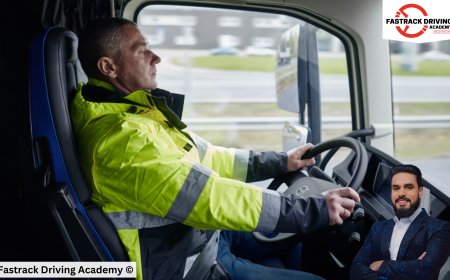
Class 1 training introduces learners to driving techniques commonly used in highway environments. Operating tractor-trailers requires awareness of vehicle length, speed management, and lane positioning. Training sessions typically include controlled highway exposure with instructor guidance.

Learners may practice:
- Highway merging techniques
- Lane positioning with long vehicles
- Maintaining safe following distance
- Speed awareness and control
- Planning ahead for exits and turns
These exercises help learners understand how larger vehicles behave at highway speeds. Training emphasizes observation, planning, and gradual skill development. The structured approach supports learners as they become familiar with highway driving conditions.
The structured learning approach for commercial drivers is also outlined in Alberta’s official Class 1 learning pathway, which highlights phased instruction and progressive skill development for heavy vehicle operation: https://www.alberta.ca/class-1-learning-pathway.
Understanding Tractor-Trailer Vehicle Dynamics
A major component of Class 1 training is learning how tractor-trailer combinations move. These vehicles respond differently compared to smaller trucks due to articulation points and trailer movement. Training introduces learners to these differences through guided practice.


Vehicle dynamics covered during training may include:
- Trailer off-tracking during turns
- Managing wider turning radius
- Mirror usage for long vehicles
- Braking awareness with heavy units
- Understanding trailer swing
Practice typically begins in a controlled yard environment. Learners repeat maneuvers and observe how the trailer responds. This gradual exposure helps build familiarity with articulated vehicle movement. To explore how structured Class 1 instruction supports skill development, read this related article: https://blogs.fastrackdriving.ca/drive-your-future-class-1-pathway-for-ambitious-drivers-fastrack-driving-academy .
This internal resource explains how learners develop practical highway driving skills through progressive training.
Structured Learning Environment
Class 1 training often follows a step-by-step learning structure. Learners begin with foundational knowledge before moving into hands-on practice. Each stage introduces new skills and reinforces previous learning.
A structured Class 1 training program may include:
- Classroom instruction
- Pre-trip inspection practice
- Yard maneuver training
- City driving exposure
- Highway driving practice
This progressive approach allows learners to build skills steadily. Repetition and instructor feedback support ongoing development. Training focuses on consistency, awareness, and vehicle control.
Industry-Relevant Skill Development
Class 1 training introduces learners to skills commonly used in transportation environments. These skills extend beyond vehicle control and include preparation, planning, and observation.
Training may include:
- Vehicle inspection routines
- Basic trip planning awareness
- Space management techniques
- Coupling and uncoupling introduction
- Professional communication awareness
These elements help learners understand responsibilities associated with operating heavy vehicles. Training sessions emphasize practice and gradual improvement.
Familiarity With Long-Distance Driving Environments
Class 1 drivers often operate across highways, industrial areas, and regional routes. Training exposes learners to different environments to build awareness and adaptability.
Exposure may include:
- Multi-lane highways
- Urban traffic conditions
- Industrial zones
- Rural highway routes
- Variable road conditions
Practicing in these environments allows learners to develop awareness and decision-making skills. Training emphasizes planning ahead and maintaining vehicle control in different spaces.
Practical Steps to Begin Class 1 Training
Step 1: Understand Class 1 Training Components
The first step is understanding what Class 1 training involves. Learners review the structure of instruction and the stages of learning. This helps prepare for hands-on training.
Training typically includes:
- Classroom learning
- Vehicle familiarization
- Yard practice
- On-road driving
- Highway exposure
Understanding the structure helps learners approach training with clarity.
Step 2: Begin Classroom Instruction
Classroom instruction introduces foundational knowledge. Learners review safety concepts, vehicle systems, and driving responsibilities. This stage prepares individuals for practical training.
Classroom topics may include:
- Air brake basics
- Safety awareness
- Inspection procedures
- Defensive driving principles
- Trip planning awareness
These lessons provide context for hands-on instruction.
Step 3: Practice Yard Maneuvers
Yard training allows learners to practice in a controlled environment. This stage focuses on maneuvering techniques and vehicle positioning. Repetition helps develop coordination and familiarity.
Yard training may include:
- Straight backing
- Offset backing
- Parallel parking
- Trailer positioning
- Space management
These exercises introduce learners to trailer movement and vehicle size.
Step 4: Transition to City Driving
After yard practice, learners move to city driving. This stage introduces traffic awareness and maneuvering in tighter environments. Instructor guidance supports gradual learning.
City driving practice may include:
- Lane positioning
- Turning at intersections
- Mirror usage
- Speed awareness
- Traffic observation
This stage helps learners apply yard practice in real-world conditions.
Step 5: Experience Highway Driving
Highway driving is an important part of Class 1 training. Learners practice maintaining speed, merging, and managing long vehicles in highway settings.
Highway training may include:
- Merging and exiting highways
- Maintaining following distance
- Lane control
- Speed management
- Long-distance observation
These exercises help learners develop familiarity with highway driving.
Class 1 training introduces future drivers to highway vehicle operation, structured instruction, and professional driving habits. From classroom learning to yard practice and highway exposure, each stage focuses on building practical skills. Learners gain familiarity with tractor-trailer dynamics, road awareness, and industry-relevant techniques. To continue exploring structured training pathways, read this detailed guide: https://blogs.fastrackdriving.ca/class-1-learning-pathway-demystified-start-your-trucking-career-today-fastrack-driving-academy.
Understanding the training process can help you prepare for instruction and explore opportunities in commercial transportation. Continue learning, review available training options, and take the next step toward developing Class 1 driving skills.
What's Your Reaction?