










Why Class 5 Driving Training Matters for Safe Drivers in Alberta
Learn how Class 5 driving training helps new drivers in Alberta build defensive skills, pass road tests, and develop safe driving habits for life.

In today’s fast-paced world, driving has become an essential life skill—but with this privilege comes great responsibility. The importance of Class 5 driving training in developing safe drivers cannot be overstated. As road accidents continue to be a major concern across the globe, ensuring drivers are well-prepared through structured training programs has become more crucial than ever. For new drivers in Alberta, Class 5 training provides the foundational skills necessary to drive safely and confidently in all road conditions.
Significance of Class 5 Driving Training
1. Builds a Strong Foundation in Defensive Driving
One of the key aspects of Class 5 training is its focus on defensive driving techniques. Drivers learn how to anticipate potential hazards, manage distractions, and make proactive decisions that reduce the risk of collisions. This level of preparation is especially important for new drivers, who may not yet have the instinctive responses that come with years of experience.


According to CarVaidya’s blog on road safety, professional training significantly reduces the chances of road accidents by instilling safe driving habits from day one.
Additionally, new drivers benefit from learning how to properly control their vehicle during adverse weather, high-traffic conditions, and unexpected road situations. This foundation is thoroughly explored in our guide to essential driving techniques for Class 5 test success, which breaks down defensive maneuvers and safe habits tested during road exams.
2. Prepares Drivers for the Class 5 Road Test
Another key reason why Class 5 training is important lies in how effectively it prepares individuals for their licensing exam. A structured curriculum helps build confidence and ensures drivers are familiar with road rules, signage, and proper techniques required to pass the road test.
Our resource on understanding the Class 5 road test offers practical tips to reduce test-day anxiety and increase success rates. With guided practice and expert feedback, learners are less likely to make critical errors during the test.


3. Promotes Lifelong Safe Driving Habits
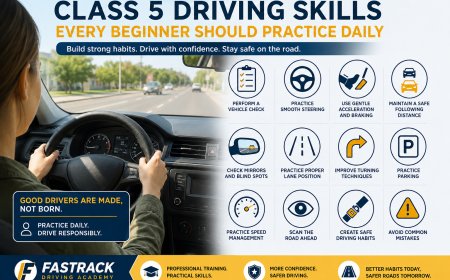
Good driving habits aren’t just for passing a test—they are meant to last a lifetime. Class 5 training ensures that these habits are developed early and reinforced through repeated practice. From mirror checks and signaling to maintaining safe following distances and obeying speed limits, trained drivers develop muscle memory that keeps them and others safe.
This is why DriveriteNY emphasizes the importance of ongoing practice and regular lessons, even after getting a license. Drivers who begin with strong habits are far less likely to develop risky behaviors down the road.
4. Enhances Road Awareness and Decision-Making
Driving is as much about decision-making as it is about controlling a vehicle. Class 5 programs improve situational awareness—helping drivers read traffic patterns, understand the intentions of others on the road, and make split-second decisions that can prevent accidents.
Classroom theory paired with practical driving time helps drivers internalize rules and respond calmly and quickly during real-world scenarios, making the roads safer for everyone.
Practical Steps to Becoming a Safe Driver Through Class 5 Training
Step 1: Enroll in a Government-Approved Driving School
Choose a reputable, government-certified driving school that specializes in Class 5 training. Ensure the school has qualified instructors, modern training vehicles, and positive student reviews.
Look for driving schools that provide both in-class theoretical learning and in-vehicle training, offering a well-rounded education in traffic rules, road signs, and vehicle control.
Step 2: Master the Basics with In-Class Instruction
Before hitting the road, it's crucial to understand the theoretical foundation. Learn about:
-
Alberta’s road rules and traffic signs
-
Driving laws and penalties
-
Basic vehicle maintenance and operation
-
Defensive driving principles
This knowledge will give you a clear context when you begin your in-vehicle sessions.
Step 3: Commit to Behind-the-Wheel Practice
Consistent practice is key. Schedule frequent driving sessions with your instructor to gain real-world experience in a controlled environment. Focus on:
-
Parking techniques (parallel, angle, hill)
-
Lane changes and merging
-
Highway and city driving
-
Driving during different times of day
Regular feedback from your instructor will help you identify and correct bad habits before they become ingrained.
Step 4: Take Mock Road Tests
Simulate real exam conditions by taking mock road tests. These evaluations help identify areas of improvement and build test-day confidence. Knowing what to expect can greatly reduce anxiety and improve performance.
Revisit our Class 5 road test tips to ensure you're fully prepared before scheduling your official exam.
Step 5: Continue Practicing Even After You’re Licensed
Don’t stop once you pass your test. Continue practicing regularly, especially in challenging environments such as:
-
Heavy rain or snow
-
Nighttime driving
-
Rural and urban roads
As DriveriteNY suggests, maintaining consistent driving habits is essential for safety and confidence behind the wheel.
Class 5 driving training plays a critical role in shaping safe, confident, and responsible drivers. From mastering the rules of the road to developing lifelong defensive driving skills, the program lays a strong foundation for anyone looking to navigate Alberta’s roads safely and successfully.
If you're preparing for your Class 5 test or want to become a better driver, start by checking out our blog on essential driving techniques for Class 5 success. And if you're ready to take your training to the next level, browse through more resources or book a training session with Fastrack Driving Academy . Stay safe. Drive smart. Book your Class 5 training today!
What's Your Reaction?