




Why Alberta Needs More Professional Truck Drivers
Discover why Alberta needs more professional truck drivers and how Class 1 training supports the growing transportation industry in Alberta.
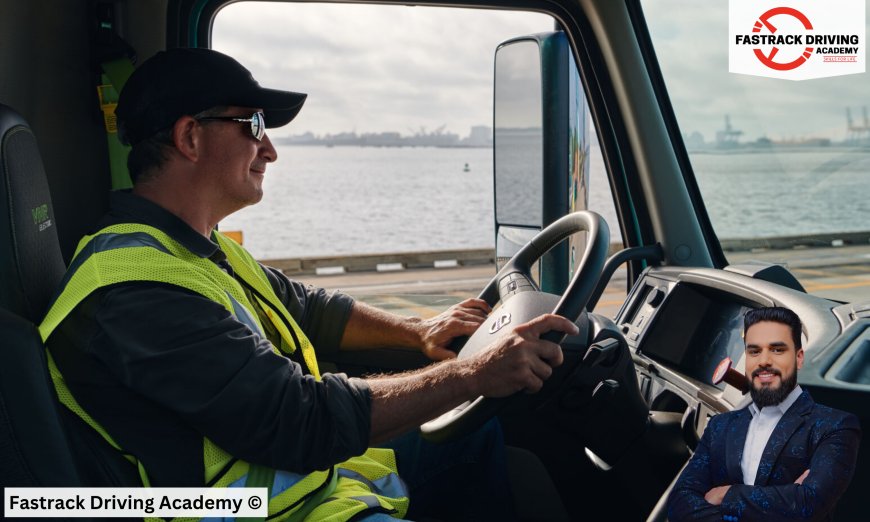
The demand for professional truck drivers continues to grow across Canada, and Alberta is no exception. From transporting essential goods to supporting industries such as construction, agriculture, manufacturing, and retail, truck drivers play a major role in keeping the province’s economy moving. As supply chains expand and transportation needs increase, understanding why Alberta needs more professional truck drivers has become an important topic for both businesses and individuals considering a career in commercial driving.
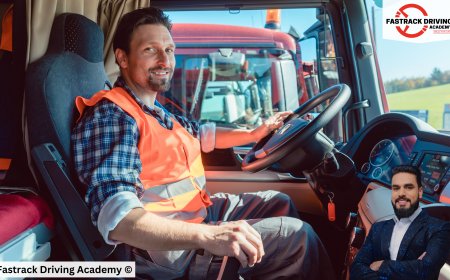
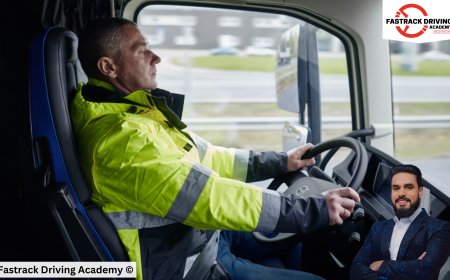
Professional truck driving involves more than operating large vehicles. Drivers are responsible for road safety, cargo transportation, vehicle inspections, and maintaining efficient delivery operations across cities and highways throughout Alberta.
Significance of Professional Truck Drivers in Alberta

Professional truck drivers are a vital part of Alberta’s transportation and logistics industry. Their work helps connect businesses, communities, and essential services across the province and beyond.
Truck Drivers Support Alberta’s Economy
Commercial transportation is closely connected to Alberta’s economy. Industries such as oil and gas, agriculture, retail, manufacturing, and construction depend on truck drivers to move materials and products safely and efficiently.
Without reliable transportation services, businesses may face delays in receiving or delivering important goods. According to Government of Canada Transportation and Economic Data, commercial transportation continues to play a major role in supporting trade and economic activity across Canada.


As Alberta’s industries continue growing, the need for trained and responsible commercial drivers also increases.
Growing Demand for Commercial Transportation
Population growth and increased consumer demand have contributed to higher transportation activity across Alberta. More products are being shipped daily between warehouses, retail stores, industrial sites, and communities.
This growing demand creates a need for more professional truck drivers who understand:
-
Commercial vehicle operation
-
Road safety practices
-
Vehicle inspections
-
Cargo handling responsibilities
-
Highway driving techniques
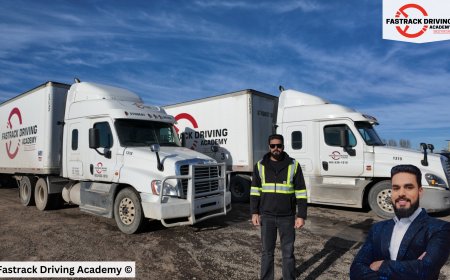
At Fastrack Driving Academy, students receive practical Class 1 learning pathway training designed to help them build the driving knowledge and safety awareness needed for Alberta’s commercial transportation industry.
Professional Drivers Help Maintain Supply Chains
Truck drivers are an important part of Canada’s supply chain network. Everyday items such as food, medical supplies, fuel, building materials, and retail products are often transported by commercial vehicles.
When transportation systems operate efficiently, businesses can continue serving customers and maintaining regular operations. Professional drivers help reduce transportation delays and support the movement of goods across long distances.
The National Safety Code Standards for Commercial Drivers outline important safety practices and operational standards that support safer commercial transportation across Canada.
Alberta’s Large Geography Increases Transportation Needs
Alberta covers a large geographic area, with major highways connecting cities, industrial regions, rural communities, and neighboring provinces. Commercial transportation is essential for moving products efficiently between these areas.
Truck drivers often transport goods between:
-
Calgary
-
Edmonton
-
Red Deer
-
Fort McMurray
-
Lethbridge
-
Rural and industrial regions
Because many businesses depend on highway transportation, skilled drivers remain an important part of Alberta’s infrastructure and logistics systems.
Skilled Drivers Promote Safer Roads
Professional Class 1 training focuses heavily on road safety, defensive driving, and vehicle awareness. Drivers who receive proper instruction can better understand how to handle large commercial vehicles responsibly.
Training programs often include:
-
Vehicle inspections
-
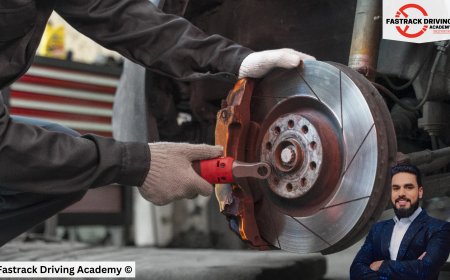
Air brake knowledge
-
Defensive driving techniques
-
Backing and parking maneuvers
-
Hazard awareness
-
Highway driving practice
Developing these skills during training supports safer driving habits and improved awareness on Alberta roads.
For individuals interested in commercial driving careers, the Step-by-Step Guide for Class 1 Learning Pathway Training provides helpful information about Alberta’s commercial driver training process.
Important Skills Alberta’s Truck Drivers Should Develop
As transportation demands continue growing, professional truck drivers need a combination of technical knowledge, driving ability, and safety awareness.
Defensive Driving Skills
Defensive driving helps drivers respond safely to changing traffic and weather conditions. Commercial drivers often spend long hours on highways and urban roads, making awareness and concentration very important.
Key defensive driving habits include:
-
Maintaining safe following distances
-
Monitoring blind spots
-
Planning lane changes early
-
Adjusting speed during poor weather
-
Staying alert in heavy traffic
Consistent defensive driving practice supports safer road behavior and better vehicle control.
Vehicle Inspection Knowledge
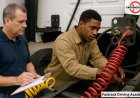
Truck drivers should understand how to inspect commercial vehicles before starting a trip. Pre-trip inspections help drivers identify potential issues that may affect vehicle safety or performance.
Important inspection areas include:
-
Tires and wheels
-
Brake systems
-
Fluid levels
-
Lights and reflectors
-
Coupling equipment
-
Air brake systems
Learning inspection procedures during training can help students build stronger safety habits.
Time Management and Route Planning
Commercial drivers often work with schedules, delivery windows, and route planning responsibilities. Good time management skills help drivers stay organized and prepare for traffic or weather-related delays.
Drivers may need to:
-
Plan efficient routes
-
Monitor driving hours
-
Schedule rest breaks
-
Communicate delivery updates
Understanding these responsibilities is an important part of professional commercial driving.
Communication and Professionalism
Truck drivers regularly communicate with dispatchers, customers, warehouse staff, and other transportation professionals. Strong communication skills support workplace professionalism and smoother daily operations.
Professional communication may include:
-
Reporting safety concerns
-
Following instructions carefully
-
Providing accurate updates
-
Maintaining respectful interactions
These skills can help drivers better manage responsibilities during transportation operations.
Adaptability in Different Road Conditions
Alberta weather conditions can change quickly throughout the year. Professional truck drivers should understand how to adjust their driving techniques during:
-
Snow and ice
-
Rain and fog
-
High winds
-
Rural highway driving
-
Urban traffic conditions
Practical training helps students gain experience handling commercial vehicles in different driving environments.
Practical Steps for Individuals Interested in Truck Driver Training
People interested in becoming professional truck drivers can take several important steps to prepare for commercial driving training in Alberta.
Learn About Alberta’s Class 1 Learning Pathway
Understanding Alberta’s Class 1 learning pathway is an important first step for students entering the commercial driving industry. This process includes classroom instruction, practical training, and commercial driving education.
Students can begin by researching training requirements, road safety expectations, and commercial driving responsibilities.
Practice Safe Driving Habits Early
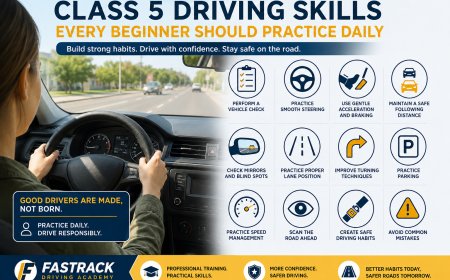
Developing safe driving habits before beginning commercial training can be helpful for new students. Important habits include:
-
Staying focused while driving
-
Following traffic regulations
-
Practicing observation skills
-
Maintaining safe speeds
These habits support better awareness during Class 1 training.
Study Commercial Driving Safety Resources
Learning from transportation safety materials can help students better understand the responsibilities involved in commercial driving.
The Alberta Transportation Safety Resources provide information about commercial driving regulations, road safety practices, and transportation guidelines.
Reading these resources can help students become more familiar with industry expectations.
Train with Experienced Instructors
Professional instructors can provide hands-on guidance and practical driving knowledge throughout the training process.
At Fastrack Driving Academy Class 1 Training, students receive practical instruction designed to help them understand commercial vehicle operation, defensive driving, inspection procedures, and road awareness for Alberta highways and transportation environments.
Continue Learning After Training
Commercial driving involves ongoing learning and experience. Drivers can continue improving their skills by staying informed about transportation regulations, safety updates, and industry best practices.
Consistent practice and continued learning help drivers develop stronger road awareness and professional driving habits over time.
Professional truck drivers play an important role in supporting Alberta’s economy, supply chains, and transportation systems. As industries continue growing and transportation demands increase, the need for trained commercial drivers remains significant across the province.
From transporting essential goods to supporting highway logistics, truck drivers contribute to the movement of products and services throughout Alberta every day. Professional Class 1 training helps students build important skills such as defensive driving, vehicle inspections, communication, and road safety awareness.
To learn more about commercial driver training, transportation safety, and Alberta Class 1 learning pathway programs, explore the Fastrack Driving Academy Blog for additional resources, training insights, and trucking industry information.
What's Your Reaction?