





From Learner to Leader: Navigating the Class 1 Trucking Journey
Discover how to navigate the Class 1 trucking journey in Alberta. Learn essential skills, exam tips, and pathways to become a confident commercial driver.
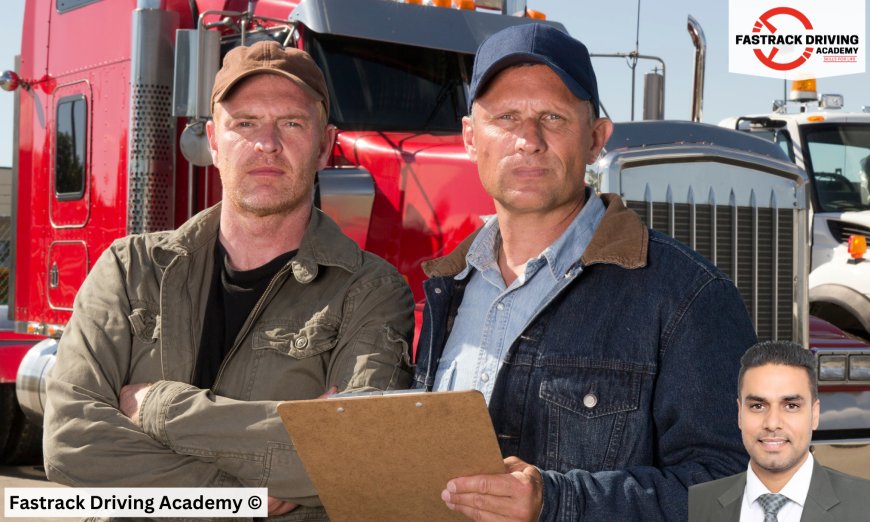
The journey from a beginner truck driver to a confident, skilled professional is both challenging and rewarding. Alberta’s Class 1 learning pathway offers a structured roadmap for aspiring commercial drivers, equipping them with the technical skills, safety knowledge, and practical experience needed to succeed on the open road. With the right training, mentorship, and resources, learners can transition seamlessly into skilled drivers and eventually industry leaders. In this article, we explore the significance of the Class 1 trucking journey, the advantages of following a structured pathway, and practical steps to ensure success.
Significance of the Class 1 Trucking Journey
Understanding the importance of the Class 1 learning pathway helps learners appreciate its role in shaping careers and promoting road safety.
1. Develops Essential Trucking Skills
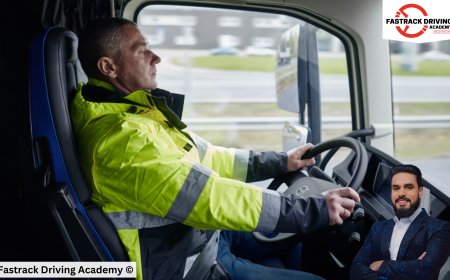
The Class 1 pathway focuses on foundational and advanced driving skills, including vehicle control, load management, and maneuvering large trucks. Hands-on training allows learners to practice driving under various conditions, preparing them for real-world challenges. According to Alberta’s Class 1 Learning Pathway Grant Program, structured training significantly increases skill retention and exam success rates.

2. Enhances Safety Awareness
Safety is the cornerstone of commercial trucking. The pathway emphasizes pre-trip inspections, emergency procedures, and defensive driving techniques, ensuring drivers are prepared for unexpected situations on the road. Understanding these protocols reduces accidents and promotes a culture of responsibility.
3. Prepares Learners for Licensing Exams
Alberta’s Class 1 licensing exams test both knowledge and practical ability. Following the learning pathway ensures that learners are fully prepared for both the written and road tests, reducing anxiety and increasing the likelihood of passing on the first attempt. Professional programs, like those at Fastrack Driving Academy, provide mock exams and guided practice to boost readiness. For a detailed guide, see Cruise Toward Success: Start Your Class 1 Learning Pathway Today.
4. Builds Confidence and Decision-Making Skills
Structured training allows learners to face a variety of driving scenarios, from highway merging to reversing and tight maneuvering. Experiencing these situations under supervision develops decision-making skills and builds confidence, crucial for long-haul trucking and professional growth.
5. Supports Career Advancement
Completing the Class 1 learning pathway opens doors to specialized roles such as long-haul transport, refrigerated goods, and hazardous material trucking. Employers prefer drivers who have completed structured, recognized training programs because it demonstrates professionalism, safety awareness, and commitment to the profession. For insights on how the pathway transforms beginners into skilled drivers, see Inside Look: How the Class 1 Learning Pathway Transforms Beginners into Skilled Drivers.


Practical Steps to Navigate the Class 1 Trucking Journey
The pathway to becoming a skilled Class 1 driver is most effective when approached systematically. Here’s a step-by-step guide:
Step 1: Understand Alberta’s Class 1 Requirements
Review licensing prerequisites, medical evaluations, and program requirements through official resources such as Driver Training Alberta. Understanding the criteria ensures that you meet all eligibility requirements before beginning your training.
Step 2: Enroll in a Professional Training Program
Professional driving schools, like Fastrack Driving Academy, offer structured courses with experienced instructors. Learners gain hands-on experience, receive real-time feedback, and benefit from practical strategies to navigate the licensing process successfully.
Step 3: Master Vehicle Safety and Pre-Trip Inspections
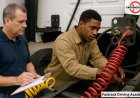
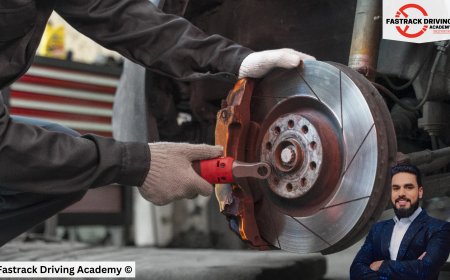
Pre-trip inspections and understanding vehicle systems—including brakes, tires, lights, and load distribution—are crucial for both safety and exam success. Regular practice ensures competence and builds confidence in operating commercial vehicles.
Step 4: Practice Core Maneuvers
Essential maneuvers include:
-
Highway driving and merging
-
Lane changes and turns
-
Reversing and alley docking
-
Parking and maneuvering tight spaces
Consistent practice in varied conditions enhances skill mastery and prepares learners for the challenges of professional trucking.
Step 5: Take Mock Exams
Simulate exam scenarios under supervision to familiarize yourself with road test requirements. Mock tests identify weak areas and reduce exam-day anxiety, increasing the chances of success.
Step 6: Apply Stress-Reduction Techniques
Incorporate mindfulness, deep breathing, and visualization exercises to maintain focus and reduce nervousness. A calm and composed mindset improves performance during both training and exams.
Step 7: Seek Feedback and Reflect
After practice sessions, reflect on mistakes, review instructor feedback, and adjust techniques. Continuous learning and adaptation are key to progressing from learner to skilled driver.
Step 8: Plan for Continued Learning
The Class 1 pathway provides a strong foundation, but professional growth requires ongoing learning. Advanced driving courses, safety workshops, and on-road experience contribute to career advancement and long-term success.
The Class 1 trucking journey transforms beginners into confident, skilled, and safety-conscious drivers. By understanding the significance of structured training, mastering essential skills, and practicing consistently, learners can pass licensing exams successfully and thrive in professional trucking careers.
For more guidance on navigating the Class 1 pathway, explore Inside Look: How the Class 1 Learning Pathway Transforms Beginners into Skilled Drivers. Start your journey today, embrace hands-on learning, and shift confidently from learner to leader on Alberta’s roads.
What's Your Reaction?