



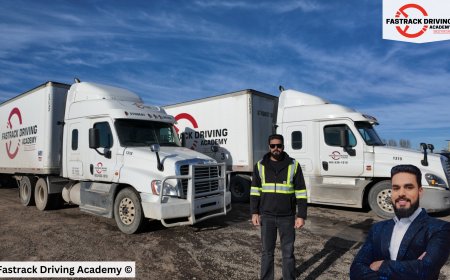




Class 1 Career Kickstart: Train for Canada’s Trucking Demand
Learn how Class 1 training supports trucking careers in Canada. Explore structured learning, safety awareness, and skill development pathways.

The trucking industry in Canada continues to grow, and Class 1 Career Kickstart: Train for Canada’s Trucking Demand highlights how structured training helps individuals begin exploring opportunities in commercial driving. With logistics and freight movement playing an essential role in the economy, interest in Class 1 training has increased among those considering transportation careers.
Class 1 training focuses on introducing learners to the basics of operating heavy commercial vehicles such as tractor-trailers. Through guided instruction and practical sessions, it helps build awareness of road safety, vehicle handling, and industry expectations in a structured learning environment.
Significance of Class 1 Career Kickstart Training

Class 1 Career Kickstart training is designed to support individuals who are entering the commercial driving field. It provides structured learning that helps develop awareness, technical understanding, and practical familiarity with large vehicle operation.
Introduction to Safe Driving Practices
Safety is an important part of commercial driving, especially when operating large vehicles on highways and in traffic conditions that vary throughout the day.
According to Transport Canada, driver education and structured training contribute to improving road safety awareness across the transportation sector.


Class 1 training introduces learners to safe driving practices such as maintaining appropriate distance, understanding road conditions, and making careful driving decisions. These concepts are covered through structured training sessions that focus on real-world driving awareness.
For structured learning guidance, you can explore: https://blogs.fastrackdriving.ca/command-the-highway-class-1-training-for-future-pros-fastrack-driving-academy.
Gradual Development of Driving Skills
Operating a commercial truck requires time, practice, and familiarity with vehicle size and handling. Class 1 training provides supervised driving sessions where learners gradually build experience in different driving environments.
These sessions may include:
- Highway driving practice
- Reversing and positioning techniques
- Trailer handling and control
- Lane management and turning practice
This structured approach allows learners to slowly become more comfortable with commercial vehicle operation through guided practice.
Understanding Industry Roles and Expectations
Canada’s transportation and logistics sector relies on trained drivers to support the movement of goods across provinces. Class 1 training introduces learners to the general expectations and responsibilities involved in commercial driving roles.
According to the Government of Alberta, commercial drivers contribute to essential transportation services that support supply chains and economic activity. Structured training helps individuals become familiar with workplace expectations, operational practices, and industry standards commonly followed in the trucking sector.
To learn more about structured learning pathways, visit: https://blogs.fastrackdriving.ca/from-novice-to-expert-master-class-1-skills-for-alberta-drivers-fastrack-driving-academy.
Learning Vehicle Systems and Operational Basics
Commercial driving involves understanding more than just steering and movement. Class 1 training introduces learners to basic technical knowledge related to heavy vehicle operation.
This may include:
- Air brake system functions
- Load distribution principles
- Gear usage for heavy-duty vehicles
- Pre-trip inspection procedures
These topics help learners understand how different systems work together during commercial vehicle operation.
Awareness of Rules and Driving Regulations
Commercial driving in Canada follows specific regulations related to safety, driving hours, and documentation. Class 1 training introduces learners to these guidelines as part of their learning process.
Key areas often include:
- Driving hour regulations
- Logbook recording practices
- Vehicle inspection requirements
- General safety compliance guidelines
This helps build awareness of responsibilities associated with commercial driving roles.
Practical Steps for Starting Class 1 Training
Starting a journey in commercial trucking involves structured learning, guided practice, and gradual exposure to real driving environments. Each step supports understanding and skill development.
Step 1: Enroll in a Structured Training Program
The first step involves choosing a driving school that provides Class 1 training. These programs typically include classroom instruction along with practical driving sessions.
Step 2: Learn Vehicle Basics and Safety Concepts
Before driving on roads, learners are introduced to vehicle systems, safety procedures, and inspection routines. This provides a foundation for practical training sessions.
Step 3: Participate in Supervised Driving Practice
Under instructor guidance, learners practice essential driving skills in controlled environments. This may include highway driving, turning, reversing, and maneuvering large vehicles.
These sessions help build familiarity with vehicle handling over time.
Step 4: Develop Defensive Driving Awareness
Defensive driving focuses on staying alert, maintaining safe distances, and responding carefully to road conditions. Training encourages learners to observe surroundings and make thoughtful driving decisions.
Step 5: Learn Licensing and Industry Procedures
Learners are introduced to licensing requirements, inspection routines, and regulatory expectations. This helps build awareness of general industry standards and responsibilities.
Step 6: Explore Opportunities in the Trucking Sector
After completing structured training, individuals may explore roles in freight transport, logistics, delivery services, and regional trucking depending on industry opportunities.
Class 1 Career Kickstart training introduces individuals to the fundamentals of commercial driving through structured learning and practical exposure. It supports the development of safety awareness, technical understanding, and driving familiarity within a guided training environment.
As Canada’s transportation sector continues to evolve, structured training remains an important part of helping learners understand industry expectations and real-world driving conditions.
To explore more about structured learning and skill development approaches, visit:
https://blogs.fastrackdriving.ca/from-novice-to-expert-master-class-1-skills-for-alberta-drivers-fastrack-driving-academy.
Continue exploring training resources to better understand how commercial driving skills are introduced and developed through guided instruction and practice.
What's Your Reaction?