






Common Challenges During Class 1 Truck Driving Training
Learn about common challenges during Class 1 truck driving training, including backing skills, vehicle control, road awareness, and safety practices.
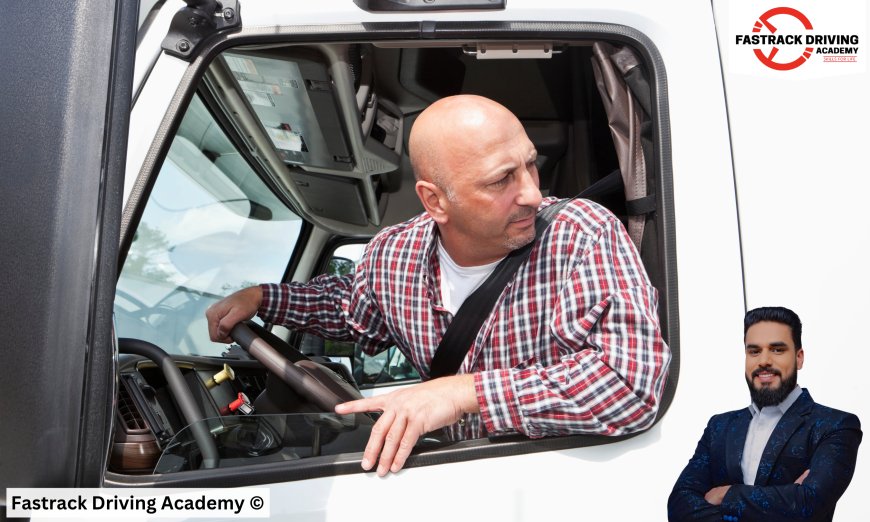
Starting commercial driver training can be an exciting step for students interested in the trucking industry, but it also comes with a variety of learning challenges. Understanding the common challenges during Class 1 truck driving training can help students prepare mentally and practically for the responsibilities involved in operating large commercial vehicles. Since commercial driving requires strong awareness, patience, and technical skills, many new students need time to adjust to the training process.
Class 1 truck driving training focuses on road safety, vehicle inspections, defensive driving, backing maneuvers, and highway driving techniques. With regular practice and professional instruction, students gradually build the knowledge and driving habits needed for commercial transportation in Alberta.
Significance of Understanding Common Challenges During Class 1 Truck Driving Training
Recognizing common training challenges can help students focus on areas that often require additional practice and attention. It also helps students approach the training process with realistic expectations and a stronger understanding of commercial driving responsibilities.


Learning to Control a Large Commercial Vehicle
One of the biggest challenges new students face during Class 1 truck driving training is adjusting to the size and handling of a commercial truck. Large vehicles require different steering, braking, and turning techniques compared to passenger vehicles.
Students must learn how to:
-
Maintain proper lane positioning
-
Manage wide turns safely

-
Control speed on highways
-
Understand stopping distances
-
Handle vehicle weight during different road conditions


According to the Government of Alberta Commercial Driver Guide, commercial drivers are expected to understand vehicle control, safety awareness, and operational procedures before driving professionally.
Developing comfort and awareness while operating large vehicles takes patience and regular practice during training.
Backing and Parking Maneuvers Can Be Difficult
Backing a tractor-trailer is often one of the more challenging parts of Class 1 training for beginners. Unlike regular vehicles, commercial trucks require students to understand trailer movement, steering adjustments, and space management while reversing.
Common backing challenges include:
-
Oversteering
-
Trailer misalignment
-
Limited visibility
-
Difficulty judging distances
-
Maintaining control in tight spaces
Repeated backing exercises during training help students gradually improve their observation skills and vehicle positioning techniques.
At Fastrack Driving Academy, students receive practical Class 1 learning pathway training focused on backing skills, road awareness, and safe commercial vehicle operation in Alberta driving environments.
Understanding Air Brake Systems Requires Practice
Air brake systems operate differently from standard braking systems used in passenger vehicles. Many students need additional time to fully understand air brake inspections, pressure monitoring, and brake safety procedures.
Important air brake training topics include:
-
Air pressure checks
-
Brake inspection procedures
-
Leak testing
-
Brake response awareness
-
Safety inspection routines
The National Safety Code Standards for Commercial Drivers outline important safety and inspection practices used in Canada’s commercial transportation industry.
Air brake knowledge is an important part of commercial driving education and road safety awareness.
Highway Driving Can Feel Overwhelming for Beginners
Driving a commercial truck on busy highways may feel stressful for some students during the early stages of training. Highway driving requires strong observation habits, lane awareness, and speed management.
Students may initially struggle with:
-
Merging into traffic
-
Managing highway speed
-
Monitoring blind spots
-
Maintaining safe following distances
-
Responding to changing traffic flow
With instructor guidance and practical highway driving experience, students can gradually become more comfortable handling commercial vehicles in different traffic situations.
Building Confidence Takes Time and Patience
Commercial driver training involves learning many new skills within a short period. Some students may feel nervous or frustrated while adjusting to vehicle operation, inspections, and road awareness techniques.
Training programs help students practice:
-
Defensive driving
-
Vehicle inspections
-
Parking techniques
-
Traffic awareness
-
Safe driving habits
Developing these skills consistently through regular instruction and practice can help students become more comfortable with commercial driving responsibilities over time.
For individuals preparing for commercial driver training, the Complete Guide to Class 1 Learning Pathway Training in Alberta provides additional information about the Class 1 training process and commercial driver education in Alberta.
Common Challenges Students Face During Class 1 Training
Commercial driver training includes both classroom instruction and practical driving exercises. The following are some of the most common challenges students may experience during the training process.
Managing Wide Turns and Lane Positioning
Commercial trucks require extra space during turns. Students often need practice learning how to position the vehicle properly before making right or left turns.
Common turning challenges include:
-
Turning too sharply
-
Misjudging trailer movement
-
Drifting between lanes
-
Improper road positioning
Practicing urban driving exercises helps students improve turning awareness and vehicle control.
Maintaining Proper Observation Habits
Commercial drivers must constantly monitor surrounding traffic and road conditions. New students sometimes forget to check mirrors regularly or monitor blind spots during maneuvers.
Important observation habits include:
-
Frequent mirror checks
-
Shoulder checks during lane changes
-
Watching traffic flow ahead
-
Monitoring nearby vehicles and pedestrians
Strong observation skills support safer and more responsible driving habits.
Adjusting to Different Weather Conditions
Alberta weather conditions can change quickly throughout the year. Snow, rain, fog, and icy roads may affect vehicle handling and visibility during training sessions.
Students should learn how to:
-
Reduce speed during poor weather
-
Increase following distances
-
Brake more carefully
-
Maintain better traction awareness
Adapting driving habits to changing road conditions is an important part of commercial driving education.
Understanding Vehicle Inspections
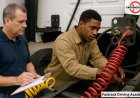
Pre-trip inspections are a major part of Class 1 truck driving training. Students must learn how to inspect important vehicle components before operating the truck.
Inspection areas include:
-
Tires and wheels
-
Brake systems
-
Lights and signals
-
Coupling equipment
-
Air brake components
-
Fluid levels
Learning inspection procedures takes time because students must understand both safety standards and vehicle systems.
Managing Stress During Training
Learning to operate a commercial vehicle can feel stressful for some students, especially during highway driving or backing exercises.
Helpful ways to manage stress during training include:
-
Practicing regularly
-
Staying patient during mistakes
-
Listening carefully to instructor feedback
-
Taking time to improve gradually
A calm learning approach often supports better concentration and safer driving habits.
Practical Steps to Improve During Class 1 Truck Driving Training
Students can continue improving their commercial driving abilities by focusing on consistent practice, observation, and safe driving routines throughout training.
Practice Backing Maneuvers Regularly
Backing skills improve with repetition and patience. Students should spend additional time practicing:
-
Straight-line backing
-
Offset backing
-
Alley dock maneuvers
-
Trailer positioning
Learning how steering adjustments affect trailer movement helps improve vehicle control during reverse maneuvers.
Focus on Defensive Driving Habits
Defensive driving is an important part of Class 1 training because commercial drivers must constantly monitor surrounding traffic and changing road conditions.
Students should practice:
-
Maintaining safe following distances
-
Watching traffic patterns carefully
-
Planning lane changes early
-
Monitoring mirrors consistently
The Alberta Transportation Safety Resources provide additional information about road safety practices and commercial transportation awareness.
Build Observation Skills During Every Drive
Observation habits should become part of every driving routine. Students should regularly practice:
-
Mirror scanning
-
Blind spot awareness
-
Hazard recognition
-
Traffic monitoring
Consistent observation supports better road awareness and safer vehicle operation.
Learn From Experienced Instructors
Professional instructors can help students identify areas where additional practice may be helpful. Instructor guidance often supports better understanding of commercial vehicle operation and safety procedures.
At Fastrack Driving Academy Class 1 Training, students receive practical instruction focused on vehicle control, backing maneuvers, inspections, defensive driving, and highway awareness for Alberta commercial driving environments.
Continue Practicing Safe Driving Habits
Commercial driving skills improve gradually over time. Students should continue practicing safe habits even after completing training sessions.
Regular practice can help students improve:
-
Vehicle control
-
Observation skills
-
Highway awareness
-
Defensive driving techniques
-
Inspection routines
Understanding the common challenges during Class 1 truck driving training can help students prepare for the learning process more effectively. From backing maneuvers and air brake systems to highway driving and vehicle inspections, commercial driver training involves developing many important skills that require patience and regular practice.
Professional training programs provide students with opportunities to build road awareness, improve defensive driving habits, and gain practical experience operating large commercial vehicles in Alberta driving environments. Over time, consistent learning and instructor guidance can help students become more comfortable with commercial driving responsibilities.
To learn more about commercial driver education, road safety, and Class 1 learning pathway training in Alberta, visit the Fastrack Driving Academy Blog for additional training resources, driving tips, and trucking industry insights.
What's Your Reaction?