


Class 3 License Training: Practical, Professional, Powerful
Explore Class 3 license training, benefits, and steps. Learn how structured instruction helps build practical commercial driving skills and professional experience.
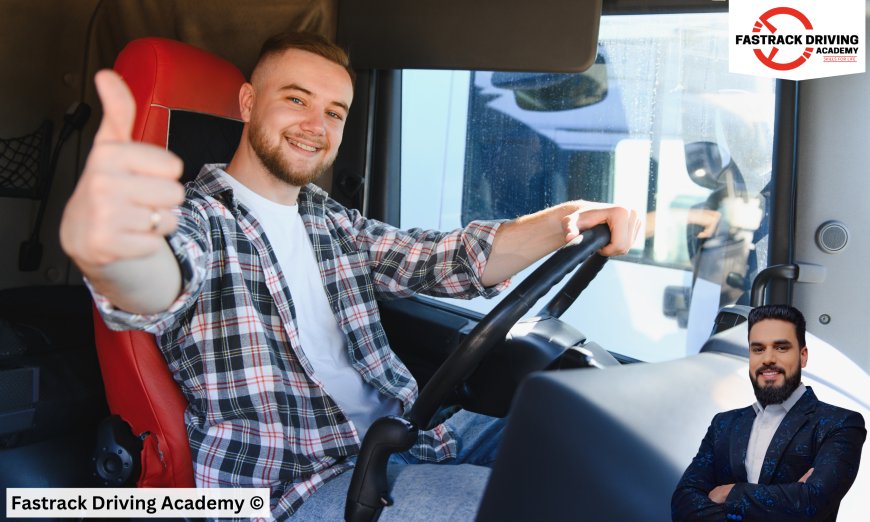
The Class 3 license is a practical option for individuals interested in operating medium-duty commercial vehicles while building professional driving skills. From construction and delivery to municipal and service industries, Class 3 training introduces learners to real-world vehicle operation. With structured instruction and hands-on practice, learners gradually develop knowledge, vehicle control, and road awareness. As industries continue to rely on skilled commercial drivers, Class 3 license training provides a structured pathway focused on practical learning. Understanding how this training works can help learners prepare for instruction, explore driving opportunities, and build familiarity with vehicles commonly used across multiple industries.
Benefits of Class 3 License Training
Practical Training for Real-World Vehicles

One of the most valuable benefits of Class 3 license training is its focus on practical vehicle operation. Learners gain experience with medium-duty vehicles used in everyday work environments. This includes understanding vehicle dimensions, turning radius, braking response, and maneuvering techniques.
Practical training often includes:
-
Vehicle positioning
-
Turning and lane control

-
Backing and parking maneuvers
-
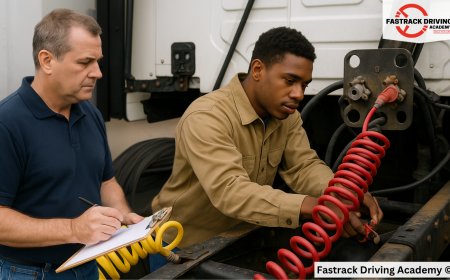
Pre-trip inspection practice
-
Urban and industrial driving exposure


These exercises allow learners to become familiar with vehicle handling in controlled settings. Instructor guidance supports consistent practice and gradual improvement. The emphasis remains on building skills through structured training.
Commercial driver training in Alberta often follows structured learning principles. These approaches align with broader commercial driver frameworks such as the Alberta learning pathway guidance.
Although this resource outlines Class 1 training, it highlights the value of structured instruction and progressive learning, which also applies to Class 3 training.
Professional Skill Development
Class 3 license training introduces learners to professional driving habits. Operating medium-duty vehicles requires awareness, preparation, and consistent control. Training sessions focus on developing these skills through guided instruction.
Professional skill development may include:
-
Defensive driving concepts
-
Inspection procedures
-
Load awareness basics
-
Space management
-
Road awareness techniques
These components help learners understand expectations associated with commercial driving roles. Training emphasizes repetition, observation, and practical application. Over time, learners build familiarity with responsibilities connected to operating larger vehicles.
For more insights into skill-based learning, explore this resource:
https://blogs.fastrackdriving.ca/class-3-license-success-build-the-skills-that-employers-want-fastrack-driving-academy.
This internal article discusses how structured training supports development of practical Class 3 driving skills.
Versatility Across Multiple Industries
A Class 3 license is relevant across a wide range of industries. Medium-duty vehicles are commonly used in construction, landscaping, delivery operations, municipal services, and maintenance roles. This versatility makes Class 3 training appealing for individuals exploring different opportunities.
Vehicles commonly associated with Class 3 training include:
-
Dump trucks
-
Straight trucks
-
Utility trucks
-
Service vehicles
-
Equipment transport trucks
Exposure to these vehicle types helps learners understand different driving environments. Training introduces techniques for maneuvering, positioning, and operating medium-duty vehicles in various scenarios. This versatility allows learners to explore different career directions while continuing to build practical driving skills.
Step-by-Step Learning Approach
Class 3 license training typically follows a progressive learning structure. Learners begin with foundational instruction and gradually move toward practical driving scenarios. This structured format helps individuals build skills steadily.
Training progression may include:
-
Classroom instruction
-
Vehicle familiarization
-
Yard practice
-
City driving exposure
-
Practical maneuver training
Each stage builds upon previous knowledge. Learners practice repeatedly, receive feedback, and refine techniques. This gradual approach supports ongoing skill development.
Focus on Safety and Awareness
Safety awareness is an important component of Class 3 training. Learners practice observation techniques, mirror usage, and space management. These skills help individuals understand how to operate medium-duty vehicles responsibly.
Safety-focused training may include:
-
Maintaining following distance
-
Managing blind spots
-
Controlled braking techniques
-
Turning awareness
-
Traffic observation
These concepts help learners develop awareness in different driving environments. Structured training emphasizes observation, planning, and smooth vehicle control.
Practical Steps to Get Started With Class 3 License Training
Step 1: Understand Class 3 License Training Components
The first step is understanding what Class 3 training involves. Learners review training stages, knowledge topics, and practical instruction. This helps prepare for structured learning.
Training typically includes:
-
Classroom instruction
-
Vehicle inspection training
-
Yard practice
-
On-road driving
-
Instructor feedback
Understanding these elements helps learners prepare for training.
Step 2: Begin Classroom Instruction
Classroom learning introduces foundational knowledge. This stage focuses on vehicle systems, safety awareness, and driving responsibilities. Learners gain understanding before hands-on training.
Common classroom topics include:
-
Vehicle components
-
Safety procedures
-
Defensive driving basics
-
Inspection routines
-
Driving responsibilities
This knowledge supports learners as they move into practical instruction.
Step 3: Practice in a Controlled Yard Environment
After classroom learning, learners begin practicing in a controlled yard environment. This allows individuals to become familiar with vehicle handling and maneuvering techniques. Repetition supports coordination and control.
Yard training may include:
-
Straight backing
-
Turning practice
-
Parking maneuvers
-
Space management
-
Vehicle positioning
These exercises help learners build familiarity before transitioning to road driving.
Step 4: Transition to On-Road Training
On-road training introduces real-world driving conditions. Learners practice lane positioning, turning, and traffic awareness. Instructor guidance supports gradual learning.
On-road training may include:
-
City driving
-
Industrial area driving
-
Intersection navigation
-
Speed awareness
-
Mirror usage
This stage helps learners apply yard practice in practical environments.
Step 5: Continue Practicing and Refining Skills
Skill development continues through consistent practice. Learners repeat maneuvers and refine vehicle control. Instructor feedback supports gradual improvement.
Learners benefit from:
-
Repeating backing maneuvers
-
Practicing inspections
-
Improving observation
-
Developing smoother control
-
Building familiarity with vehicle size
Regular practice supports steady learning and skill development.
Class 3 license training provides a practical and structured way to develop commercial driving skills. With guided instruction, hands-on learning, and progressive training stages, learners gain exposure to medium-duty vehicle operation. From classroom instruction to yard practice and on-road driving, each stage focuses on building knowledge and practical ability.
If you’re exploring Class 3 training and want to learn more about skill-focused instruction, read:
https://blogs.fastrackdriving.ca/class-3-license-success-build-the-skills-that-employers-want-fastrack-driving-academy.
Understanding the training process can help you prepare for structured instruction and explore commercial driving opportunities. Continue learning, review available training pathways, and take the next step toward developing Class 3 driving skills.
What's Your Reaction?